

Runlong Pack Case Studies / Canada
10,000 Custom Mylar Bags, 7 SKUs: From AI Concepts to Production-Ready Packaging
A Canadian buyer approached Runlong Pack with a 10,000-piece order, seven evolving designs and a clear requirement: nothing should move into mass production without explicit written approval.
The project was about more than printing attractive bags. It required turning visual concepts into usable artwork while agreeing how specifications, revisions and the first transaction would be controlled.
Review My Packaging Project →Quick Project Facts
- Customer
- Canadian buyer
- Packaging
- Custom printed Mylar bags
- Order
- 10,000 pcs total / 7 SKUs
- Starting point
- AI-generated visual concepts
- Transaction
- Alibaba Trade Assurance
- Result
- Artwork completed; repeat-order intent
The buyer told Runlong Pack that they found the company through a recommendation in ChatGPT. This describes the buyer’s reported discovery route, not an independent endorsement or supplier ranking.
The Inquiry Sounded Simple: 10,000 Custom Bags
The headline quantity did not describe the whole job. This was a 10,000-piece order divided across seven designs, rather than one design repeated 10,000 times. Each design needed its own clear identity and approval.
Total quantity, SKU count and quantity per design are separate purchasing decisions. An equal split should not be assumed; this case does not disclose the individual SKU allocations.
For buyers preparing a similar enquiry, list the total order and the planned quantity for every design separately. Our guide to custom packaging MOQ provides broader context, but this particular order is not a universal minimum-order rule.
The agreed bag specification
| Item | Agreed for this project |
|---|---|
| Capacity | 7 g |
| Finished bag size | 85 × 130 mm |
| Bottom gusset | 70 mm |
| Thickness | 120 microns |
| Material structure | MOPP / VMPET / PE |
| Features | Resealable zipper; front product window |
These were the agreed specifications for this project, not standard dimensions or a material recommendation for every 7 g product. Another product’s fit and performance would need separate confirmation.
The Buyer Had AI Concepts, Not Production-Ready Artwork
The AI-generated packaging images were useful for communicating visual style, color direction and the intended appearance. However, the files supplied for this project were not production-ready artwork. They could not simply be treated as the final printing files.
Production preparation requires the design to work within actual pouch dimensions and panel positions. The front, back, bottom gusset, window, zipper and sealing areas have different roles; a convincing concept image alone does not confirm their technical relationship.
Editable text, resolution, bleed, safe areas and final copy also need review. These are preparation checkpoints, not a claim that every item was missing or defective in the buyer’s original files.
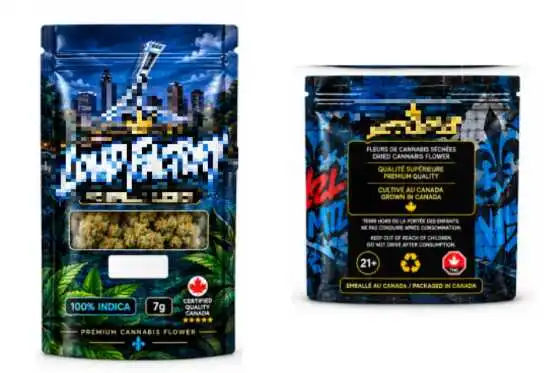
Runlong worked with the buyer to adapt the concepts to the agreed bag specifications. For a practical starting point, see the flexible packaging artwork checklist.
The Designs Were Still Changing
The initial concepts were not the customer’s final decision. The buyer continued refining visual details, colors, layout, text and artwork elements while the packaging was being prepared.
Runlong communicated with the customer, revised the artwork in response to feedback and helped coordinate the seven designs. The task was to preserve the intended visual direction while bringing each version into a format that could be reviewed for production.
This made version confirmation important. A change to one design could not be treated as approval of all seven. The first concept was a starting point, not permission to print, and final versions needed confirmation before printing proceeded.
Trust Was Another First-Order Challenge
For a first order with a new overseas supplier, the buyer wanted clear control over artwork, specifications, payment and production approval. These were understandable purchasing requirements, not simply requests for a better-looking bag.
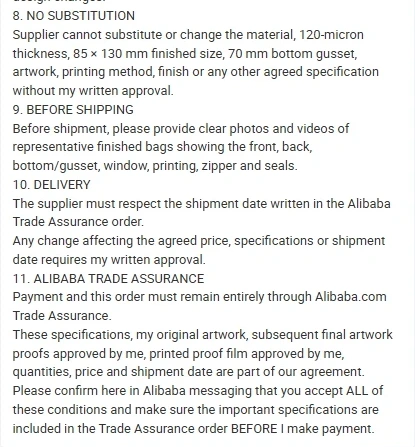
Before payment, the buyer required written approval of every final design and no unapproved changes to artwork, material, thickness, construction, printing method or finish. Changes affecting the agreed price, specifications or shipment date also required written consent.
The buyer requested representative photos and video before shipment, covering the front, back, bottom gusset, window, printing, zipper and seals. These were requested inspection views; their inclusion here does not assert that every inspection step was completed.
Two Approvals Before Mass Production
For this project, the buyer requested two explicit written approval stages: final artwork proofs, followed by printed proof film. Mass production was not to begin before both approvals were completed. Silence was not to be treated as approval.
AI concepts → artwork preparation → customer revisions → final artwork proofs → written approval → printed proof film → written approval → mass production.
The distinction matters: approving the visual file and reviewing printed proof film are different decisions. This was the project’s requested control sequence, not a statement that every Runlong order uses the same proofing arrangement.
The available project account confirms completion of production-ready artwork. It does not independently document every later approval, production or shipment milestone. Buyers planning their own proofing route can consult the packaging sample guide and confirm the applicable scope before ordering.
Why We Did Not Rush Into Printing
When the design is still changing, printing too early can lock in the wrong version. Potential consequences include incorrect copy, inconsistent SKU layouts, a misplaced window or printed packaging that no longer matches the buyer’s decision.
These were risks the approval process was designed to avoid—not defects reported to have occurred in this project. More preparation before printing can prevent corrections from becoming changes to already-printed packaging.
The useful lesson is to separate artwork development from production authorization. Neither a promising visual concept nor a discussion of order quantity should replace clear approval of the version intended for printing.
Order Confirmed Through Alibaba Trade Assurance
The buyer wanted payment and the order to remain through Alibaba Trade Assurance. After the specifications, approval process and commercial terms were clarified, the buyer chose to place the order through that channel.
This was the transaction method selected for the first project. It is not evidence that Alibaba certified Runlong, guaranteed product quality or eliminated all risk. Written specifications and approval conditions still mattered.

From AI Concepts to Seven Approved Designs
The meaningful progression was from an evolving visual idea to a set of production-ready artwork files across seven SKUs. Runlong’s contribution was the communication, revision and preparation needed to connect those ideas with the agreed pouch specifications.
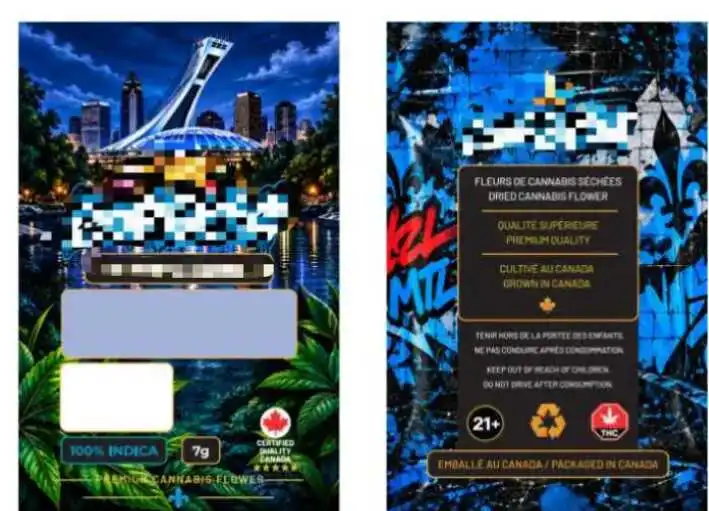
A concept reference, production artwork and a photograph of a physical pouch serve different purposes. They should not be presented as a verified before-and-after sequence unless the files and stages actually correspond.
Artwork Reference
Physical Packaging Reference
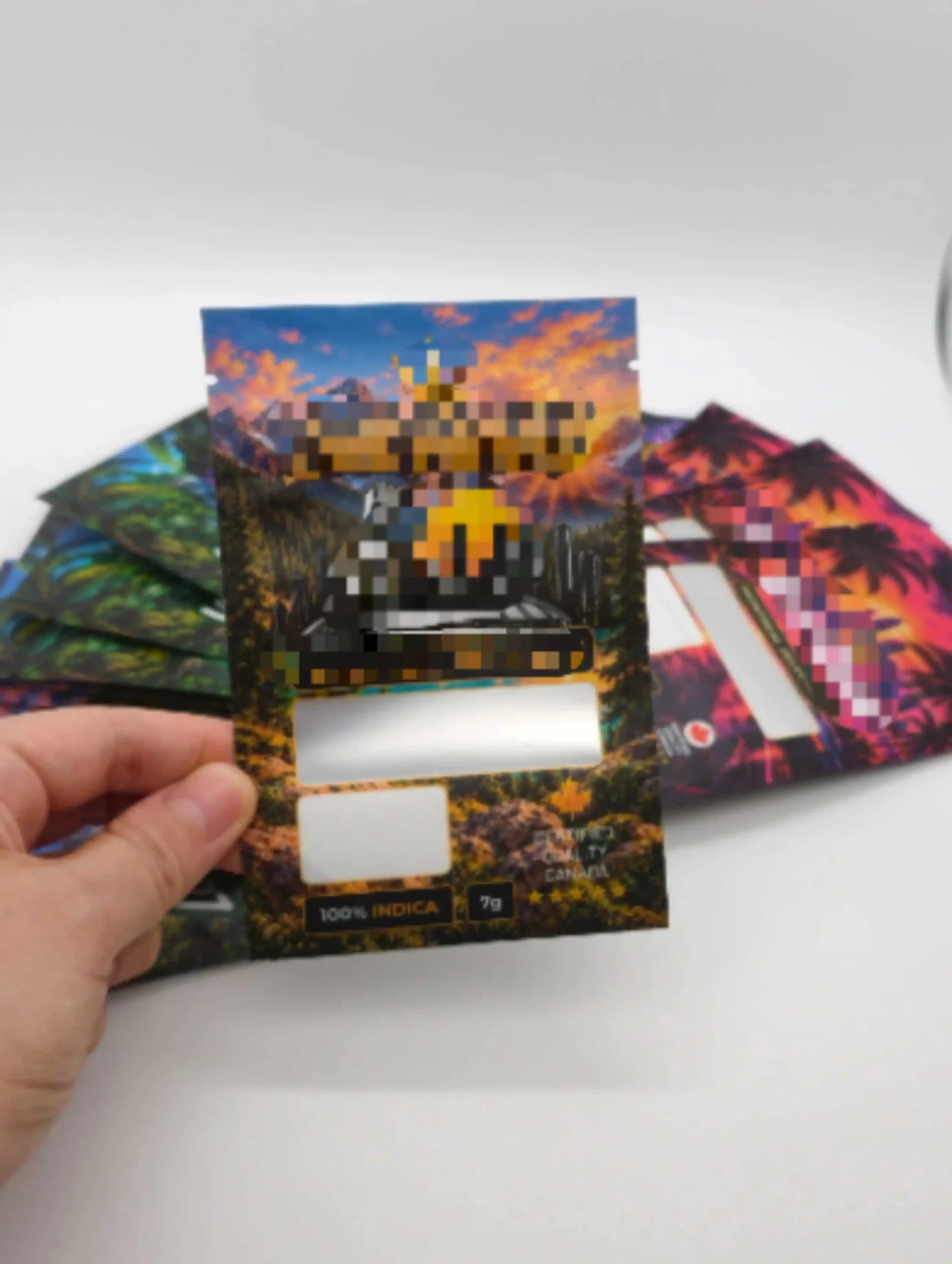
The project’s printing method is not specified in this case. Buyers considering a similar multi-SKU order should compare the relevant options using their own artwork and quantity breakdown; our digital versus gravure printing guide explains the broader decision.
The Result: A First Order With Repeat-Order Intent
After the revisions and communication, the production-ready artwork was completed. The buyer was satisfied with the final result and asked Runlong to keep the approved design files carefully for future orders.
That request signals an intention to use the approved design system again. It should not be described as a completed repeat purchase: no second order is established by the information used for this case.
The documented outcome is therefore specific: a first order placed through Alibaba Trade Assurance, seven designs developed into production-ready artwork, and an expressed intention to reorder. Delivery performance, sales results and test results are not claimed.
Five Lessons Buyers Can Use
- Use AI concepts to communicate direction. Then review what is needed to turn the selected direction into production artwork.
- Separate total quantity from SKU quantity. A seven-design order needs more information than one combined number.
- Resolve design changes before authorizing printing. Keep the approved version distinguishable from working drafts.
- Agree approval steps explicitly. Identify what is being approved and when further written permission is required.
- Clarify the first-order transaction. Align written specifications, payment arrangements and change control before moving ahead.
Questions About AI Artwork and Multi-SKU Orders
Can AI-generated packaging images be used directly for printing?
It depends on the supplied files and production requirements. In this project, the AI concepts communicated visual direction but needed preparation before becoming final printing artwork. That is not a blanket statement that all AI-generated files are unusable.
How should multiple packaging SKUs be prepared for production?
Identify each design, its intended quantity and its approved version separately. Confirm shared specifications and any SKU-specific differences. This order contained seven designs within 10,000 total pieces; individual allocations are not disclosed.
Why is final artwork approval important before printing?
It identifies the version the buyer authorizes for production. Here, the buyer required written approval for all seven designs and requested a separate printed-proof-film approval before mass production.
Can a first order be placed through Alibaba Trade Assurance?
This buyer placed the first order through Alibaba Trade Assurance after the specifications, approval process and commercial terms were clarified. Confirm the terms for your own order; the platform is not a substitute for agreed requirements.
How should approved artwork be managed for future orders?
Keep approved files clearly separated from drafts and identify which version belongs to each SKU. Reconfirm intended changes before a new order. In this case, the buyer requested retention of approved files for future orders; no completed repeat order is claimed.
Planning Packaging From an AI Concept?
Send us your concept images, pouch size, total quantity and number of SKUs. Include the quantity per design if it is already decided.
We can first review what is usable, what still needs to be prepared and what should be confirmed before printing.
Review My Packaging Project →