

Custom Dried Seafood Packaging Bags
Present your dried seafood range with custom printed packaging developed around the product, storage needs and packing process. Runlong Pack supplies flexible pouches and printed rollstock for seafood processors, food brands, importers and private-label buyers, with dimensions and materials reviewed for each project.
Custom printing · Zipper and window options · Material and filled-pack review
Share your seafood type, product condition, fill weight and quantity per design. We supply empty packaging.

Dried Seafood Packaging for Your Product Range
Dried Shrimp and Small Seafood
Share whether the shrimp are shelled or shell-on, their size, seasoning and target fill weight. These details affect bag volume, the opening and contact between the product and film. A clear window can be evaluated where suitable.
Dried Fish and Fish Snacks
Whole small fish, strips and seasoned fish snacks create different packaging briefs. Describe bones, fins or firm edges, surface oil and the intended use, including whether the product is ready to eat or intended for cooking.
Dried Squid and Seafood Strips
Explain the cut, texture, seasoning and product condition at packing. Shredded or strip products can fill differently from compact pieces, so assess volume, dispensing and seals using the actual seafood rather than a printed weight alone.
Choose the Packaging Route Around the Product
Stand-Up Pouches
A bottom gusset offers a standing retail format for suitable products. Optional zippers support repeat use, while the initial heat seal closes the pack before sale. Check the opening against whole pieces and the intended filling method.
Flat-Bottom and Other Premade Bags
Different bases or gusset arrangements can be evaluated for shelf presentation and filling. Compare the actual filled sample and commercial requirements; flat-bottom bags use separate MOQ and sampling rules.
Printed Rollstock for Compatible Lines
If your equipment forms packs from film, provide the machine model and approved web drawing. Film width, print repeat, eye mark, unwind direction and sealing requirements are reviewed separately from a premade pouch specification.
Compare stand-up pouches, flat-bottom pouches and printed rollstock film around the packing route.
Review Moisture, Oils and Aroma Together
Moisture and Storage
Tell us the product condition at packing, target shelf life and intended storage and distribution environment. A product described as dried is not automatically suitable for every ambient-storage route; material selection follows the producer’s validated food and storage brief.
Fat and Seasoning
Oily fish or seasoned seafood may need additional oxygen or light protection. Review suitable structures and relevant barrier information with the recipe and process. Bag thickness alone does not establish protection or finished-food shelf life.
Aroma and Seal Condition
Discuss aroma-containment needs alongside the material, seals and handling. A zipper is a reclosure feature, not a verified odor-proof or airtight guarantee. Assess representative filled packs under the intended storage conditions.
Check Firm Edges and Filled-Pack Handling
Shells, Bones and Pointed Pieces
Identify hard or pointed parts that can press against film. Review product arrangement, bag fit, material construction and packing conditions together. A thicker film or a pouch photograph does not prove puncture resistance.
Transport and Compression
Check the filled package inside the intended carton, including stacking, movement and contact between pieces. Agree appropriate handling, drop or compression evaluation for the actual product and route.
Keep the Seal Area Clear
Prevent pieces, seasoning and surface oil from being caught in the top seal. Confirm filling clearance and sealant compatibility with your equipment, then inspect representative filled-pack seals after the agreed handling checks.
Start with the Real Seafood, Then Review the Bag
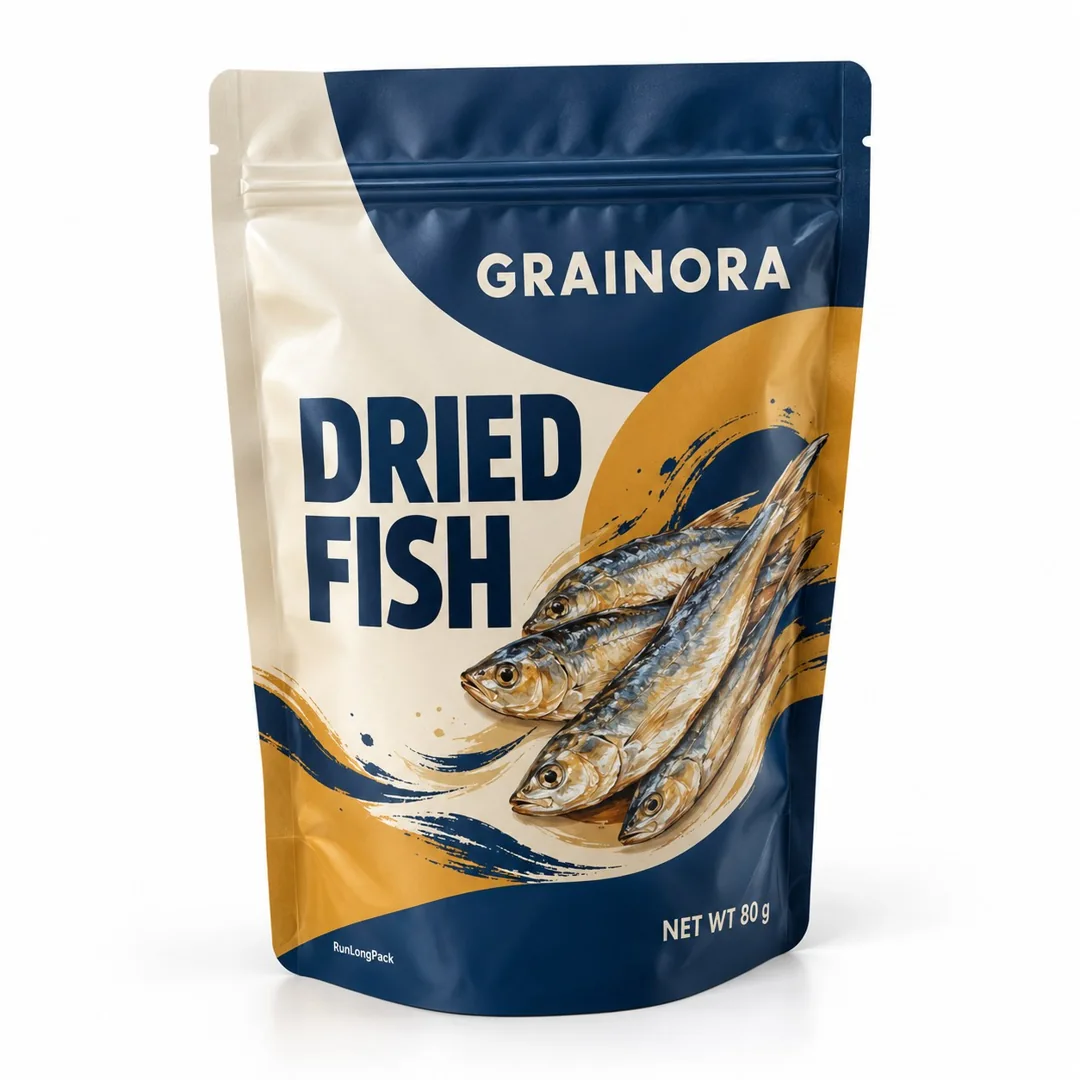
A printed pouch can create a clear shelf identity, while the structure still needs to work with the actual seafood. Send a product photo and note shells, bones, firm tips, surface oil or seasoning that may affect the filled package.
Review filled samples for film contact, seal cleanliness, handling and carton fit before approving the final specification.
Printed, Clear-Window and Opaque Options
Show the Actual Seafood
A transparent area can display the shrimp, fish or strips where suitable. Plan its position around the real fill level and shelf presentation. Clear film does not provide the same light protection as an opaque panel.
Coordinate the Barrier and Artwork
Continuous opaque aluminum foil or metallization cannot also form a transparent window. An opaque back and a clear front can be evaluated as a different structure; agree protection requirements and appearance together.
Food-Contact Documentation
We use food-grade raw materials without recycled, secondary or scrap materials. Available food-contact documents are reviewed for the proposed material, product and use. A report for one tested structure is not a universal certificate for every seafood application.
Size the Bag with the Actual Seafood
Weight, Shape and Product Volume
A request such as 50 g, 100 g or 250 g is a starting brief, not a fixed bag size. Whole fish, dried shrimp and shredded squid can occupy very different volumes and need different opening clearances at the same weight.
Define the Finished Drawing
Provide external width, height and gusset convention, including whether a gusset value means one folded side or total opened depth. Allow room for the zipper if used, product loading and the final top seal.
Approve a Filled Reference
Load real product, check standing behavior and dispensing, then confirm the proposed seals and carton fit. Retain the approved drawing, structure, artwork and trial observations for repeat orders.
| Confirm | Information to send |
|---|---|
| Seafood and product condition | Species/type, whole pieces or strips, shell/bone edges, surface oil, seasoning and processing state. |
| Storage and use | Ready-to-eat or cooking ingredient, target shelf life and validated storage/distribution conditions. |
| Fill and format | Net weight, representative product photo/sample, preferred pouch or film route. |
| Bag drawing | External dimensions, gusset convention, zipper/window and usable filling area. |
| Packing and artwork | Machine/process reference, logo/files, required information and number of designs. |
| Order and delivery | Pieces per design or kilograms of film, destination and required arrival date. |
Use the packaging bag size guide to prepare dimensions, then confirm them with a real filling trial.
Custom Printing for Seafood Brands and Private Labels
Clear Product Identification
Make the brand, seafood type, flavor and net quantity easy to recognize. Printed photography or illustration should accurately represent the product, while different varieties remain part of a coherent range.
Reserve Required Information
Leave usable space for preparation or use directions, storage conditions, ingredients/allergens where required, barcode and date or lot coding. Buyers supply and approve product-specific and market-specific wording before printing.
Compare Printing and Finish Options
Matte, gloss, soft-touch and selected special effects can be reviewed for the structure and budget. Compare digital and gravure using dimensions, pieces per design, artwork count and the repeat-order plan.
Confirm the Packing Process Before Production
Manual or Premade-Pouch Filling
Review loading direction, product clearance and sealing conditions with the actual product. Where a zipper is used, test opening and reclosure as well as the initial heat seal.
Automatic Film Packing
Use the machine supplier’s approved drawing and confirm the full web and reel specification. Trial tracking, registration, product clearance and clean seals on the intended line; no universal line output is assumed.
Vacuum or Thermal Processing Requests
These need a separate product and supply review. Ordinary dry-food pouches and their digital MOQ are not confirmation of vacuum, retort or microwave suitability. Send the actual process and storage requirements before selecting the package.
MOQ, Samples and Production Planning
Digital Printing
Some suitable ordinary pouch projects can be evaluated around 100 pieces; approximately 1,000–3,000 pieces is generally recommended for value. The maximum finished digital pouch width is approximately 37 cm, with material and process compatibility reviewed separately.
Gravure Printing
Ordinary custom pouch projects generally start around 10,000 pieces, subject to size, structure and artwork. Compare pieces per design, cylinder requirements and repeat-order plans when building a multi-flavor range.
Flat-Bottom Bags and Rollstock
Flat-bottom digital projects can be evaluated around 1,000–2,000 pieces, with routes compared around 3,000+ pieces. Eligible rollstock trials may be evaluated around 10 kg at higher unit cost; normal commercial film orders are recommended around 300 kg or more.
Final MOQ depends on bag format, finished size, material structure, artwork, printing method and production requirements. Special material or process requirements need a project-specific review.
Available reference samples are normally free with buyer-paid freight. Ordinary custom printed samples are approximately USD 50–70 each; selected special finishes are generally USD 100–150. A flat-bottom custom printed sample is approximately USD 110 each, with additional special finishes quoted separately. For a qualifying gravure bulk order of more than 20,000 pieces per design, the sample fee can be refunded under the confirmed project arrangement.
Eligible digital production typically takes approximately 8–10 working days. New gravure cylinders normally take approximately 7–9 working days, followed by approximately 15–20 days of production after cylinder completion. Timing starts after final artwork/specification approval and required payment; shipping is additional. Confirm the actual project schedule.
Review the MOQ guide, printing comparison and sample policy.
Dried Seafood Packaging Support from Runlong Pack
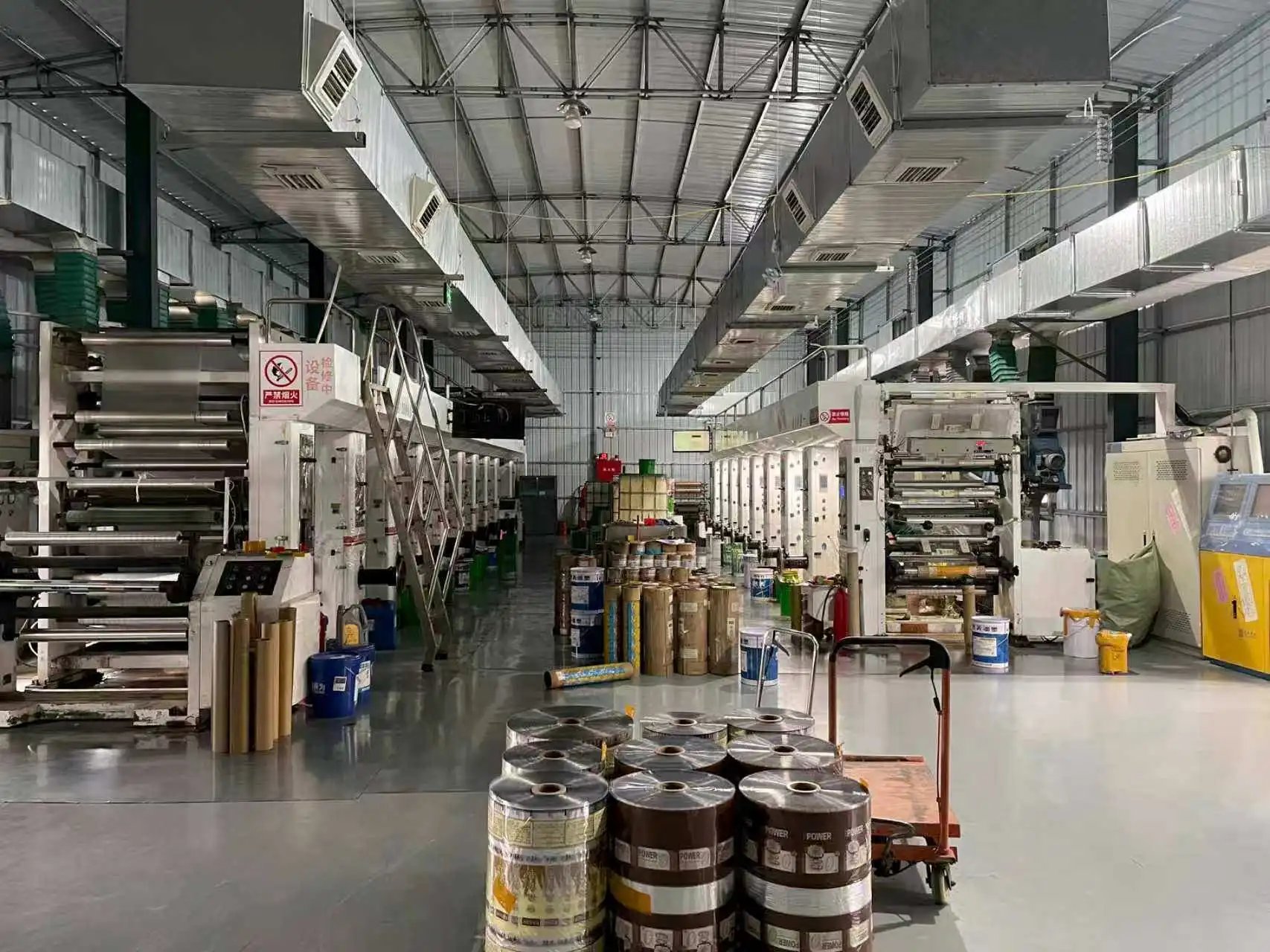
Runlong Pack is the brand of Shantou Runlong Packaging Co., Ltd., a custom flexible packaging manufacturer in Shantou, China. We work with food manufacturers, private-label buyers, importers and brands on printed premade pouches and rollstock, from specification review and artwork preparation to printing, conversion and delivery coordination.
We use food-grade raw materials across flexible packaging production and do not use recycled, secondary or scrap materials. Available food-contact documents are reviewed for the proposed structure and intended use.
Project checks may cover dimensions, printing, lamination and seals, with further checks agreed for the actual package. Keep the approved material, drawing, artwork and filling-trial observations together so repeat orders use a clear reference.
Learn about our manufacturing capabilities and available compliance and testing documentation.
Custom Dried Seafood Packaging Bags FAQ
Can you print custom bags for dried shrimp, fish and squid?
Yes. Suitable projects can be evaluated from the actual product, storage requirements, fill weight, bag format and quantity per design. Material, dimensions and printing are reviewed for the individual seafood project.
Can dried seafood packaging include a zipper?
A zipper can be evaluated for suitable premade pouch projects and supports reclosure after opening. It does not replace the initial heat seal or establish an airtight, odor-proof or fixed shelf-life guarantee.
Can the pouch show the seafood through a window?
Suitable transparent areas can be evaluated with the protection and artwork brief. Continuous opaque foil or metallization cannot remain in a transparent area. Agree the window position and material structure together.
Can a pouch prevent punctures from shells or fish bones?
Puncture suitability must be checked with the actual seafood, proposed material, bag fit and handling conditions. Identify hard edges and assess representative filled packs; no universal puncture-proof construction is claimed.
What size is needed for a 100 g dried seafood bag?
There is no universal 100 g size. Seafood shape, bulk volume, opening clearance, zipper and seal margins affect fit. Confirm the drawing through a real filling trial.
What is the MOQ for custom dried seafood pouches?
Some suitable ordinary digital pouch projects can be evaluated around 100 pieces; approximately 1,000–3,000 pieces is generally recommended for value. Ordinary gravure projects generally start around 10,000 pieces. Flat-bottom bags, rollstock and special applications use separate conditions.
Do you offer digitally printed vacuum bags for seafood?
Vacuum packaging is a separate supply review. Under our current rules, standard vacuum bags are normally unprinted stock products and are not digitally printed. Share the seafood, dimensions and process so suitable stock or any alternative route can be reviewed.
Can a package guarantee dried seafood shelf life?
No fixed shelf life follows from the bag description. Product condition, food processing, material performance, seals and storage/distribution conditions all matter. The food producer validates the finished product in its intended package.