

Choose the barrier around your product—not just a film name
A buyer’s guide to EVOH, AlOx, VMPET, aluminum foil and KPET, with a selection matrix and specification checklist.
Discuss Your Packaging StructureQuick Answer
Choose EVOH or AlOx-based structures when transparency and oxygen protection are priorities; evaluate VMPET when light protection and barrier must be balanced, or foil for demanding barrier needs. KPET is PVDC-coated PET used in traditional barrier laminates. Select the complete construction around your product, process and market—not a film name or appearance.
Quick Facts
| Decision | Which complete high-barrier structure fits the product? |
|---|---|
| Transparent routes | EVOH, AlOx or KPET-based constructions, subject to the final laminate |
| Opaque routes | VMPET or aluminum foil, with actual light protection confirmed |
| Required evidence | Comparable barrier conditions, finished-pack checks and an application trial |
| Recycling claim | Assess complete composition, target-market guidance and local systems |
Choosing high-barrier flexible packaging starts with a procurement question: what must the pack protect, and under which conditions? High barrier is not a single material. A coffee roaster may need oxygen, moisture and aroma protection; a nut brand may want the product visible; a powder producer may prioritize moisture control; a sauce factory must also consider filling conditions and seal integrity.
EVOH, AlOx, VMPET, aluminum foil and KPET can improve barrier performance, but they are different technologies. Some are transparent; others block light. Some may support a PE-based recycling-design objective, while conventional multi-material laminates require a different end-of-life assessment. None automatically proves shelf life, food-contact compliance or recyclability.
Use this guide to shortlist structures, not to approve a film by its name alone. Start with your product, target shelf life, storage conditions and packing process. Then ask for a complete structure, relevant barrier evidence and an application-specific sample. The practical deliverables below are a comparison table, a selection matrix and a buyer’s specification checklist. They help brands, importers and food factories compare proposals on the same basis rather than treating every “high-barrier bag” as interchangeable.
EVOH vs AlOx vs VMPET vs Aluminum Foil vs KPET: Quick Comparison
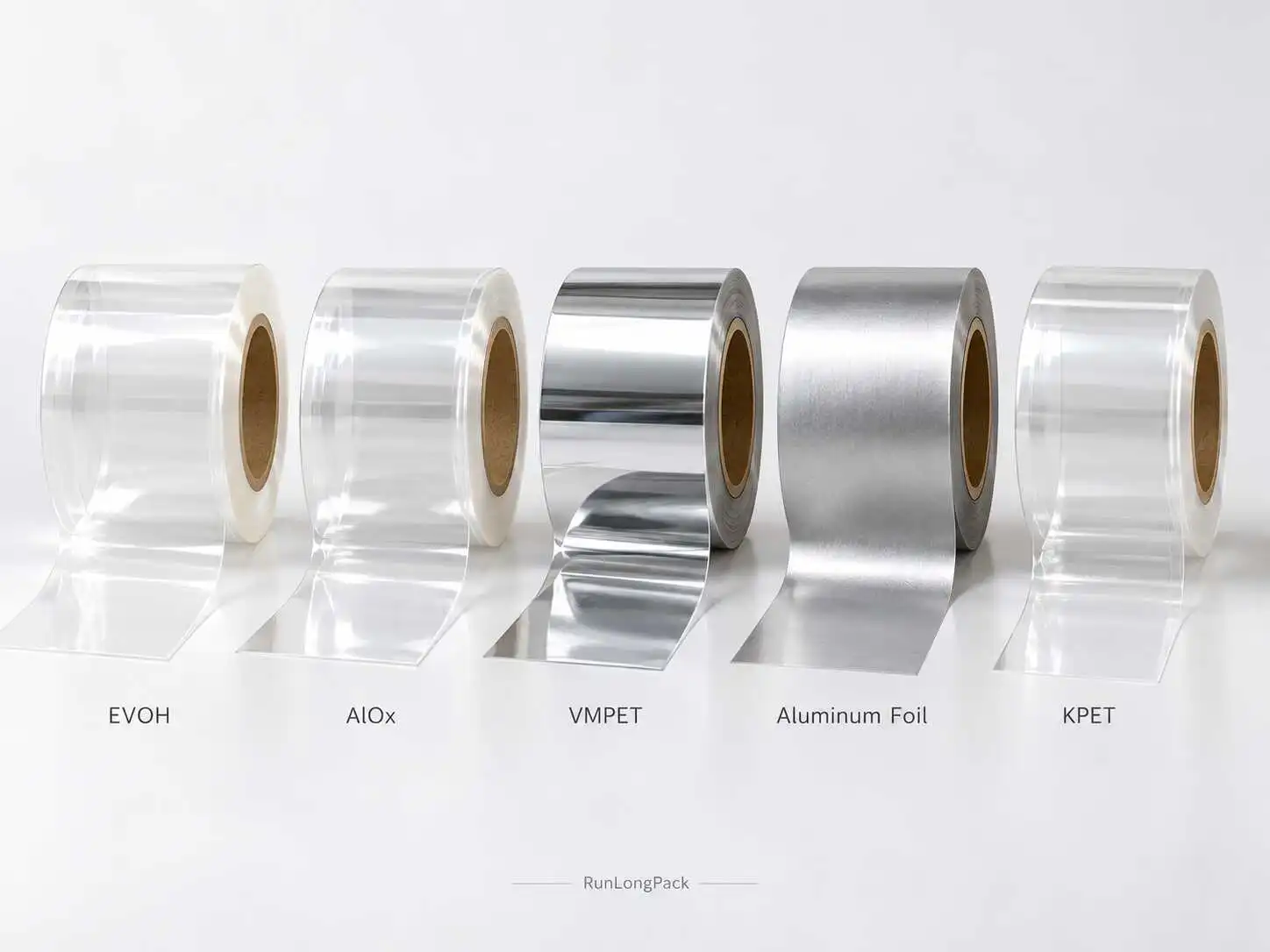
| Material | Transparency | Oxygen barrier | Moisture barrier | Light barrier | Recyclable-design potential | Applications often evaluated |
|---|---|---|---|---|---|---|
| EVOH | Transparent layer; final pack depends on other layers and printing | Very high potential; humidity and grade matter | Depends on the complete structure; EVOH is not the main moisture shield | No inherent opaque light shield | Potential in suitable PE-based structures; evaluate all components | Nuts, coffee, sauces and oxygen-sensitive products |
| AlOx-coated film | Typically transparent | High potential; coating integrity matters | High potential; depends on coating, base film and conversion | No inherent opaque light shield | Strongly dependent on the base film and finished laminate | Visible dried foods and transparent barrier packs |
| VMPET | Usually opaque, metallic appearance | High potential; metallization and handling matter | High potential; grade and complete structure matter | Useful protection; confirm coverage and required light transmission | Limited in conventional PET/PE laminates; not a mono-PE claim | Coffee, snacks, pet food and powders |
| Aluminum foil | Opaque | Extremely high potential with intact foil | Extremely high potential with intact foil | Excellent with intact, continuous foil | Generally not aligned with conventional mono-PE collection streams | Sensitive powders and demanding shelf-life applications |
| KPET / PVDC-coated PET | Typically transparent | High potential; coating specification matters | High potential; coating specification matters | No inherent opaque light shield | Generally not preferred for mono-PE design objectives | Traditional transparent high-barrier laminates |
These are qualitative screening descriptions, not comparable test results or guaranteed rankings. Actual barrier performance depends on grade, film thickness, coating quality, humidity, temperature, lamination, sealant layers and the complete packaging structure. Compare measured OTR and WVTR only with matching methods, units and conditions.
What Does “High Barrier” Mean in Flexible Packaging?
Oxygen barrier
Oxygen transmission matters for oxidation-sensitive products such as coffee, nuts, oils and some sauces. A low oxygen-transmission result is useful only when linked to the actual structure and test conditions. Residual oxygen introduced during filling, closure leakage and oxygen already present in the product can also affect shelf life.
Moisture barrier
Moisture movement can soften crisp snacks, cause powders to clump or change dried-food texture. Consider whether your product must keep moisture out, retain moisture, or control both directions. A material selected mainly for oxygen protection does not automatically solve moisture sensitivity.
Light, aroma and physical protection
Light-sensitive ingredients may need an opaque pack even when transparent film provides strong gas barrier. Aroma protection concerns loss of desirable volatiles and exposure to external odors; it should not be inferred from oxygen results alone. Grease resistance, puncture resistance and contamination control require separate checks. No single material is automatically the best solution for every product.
EVOH: High Oxygen Barrier for Transparent Packaging
EVOH means ethylene vinyl alcohol copolymer. It is a functional barrier polymer, commonly incorporated as a thin layer within a multilayer film. It is not, by itself, a complete pouch specification. Other layers provide sealing, mechanical performance and protection around the barrier layer.
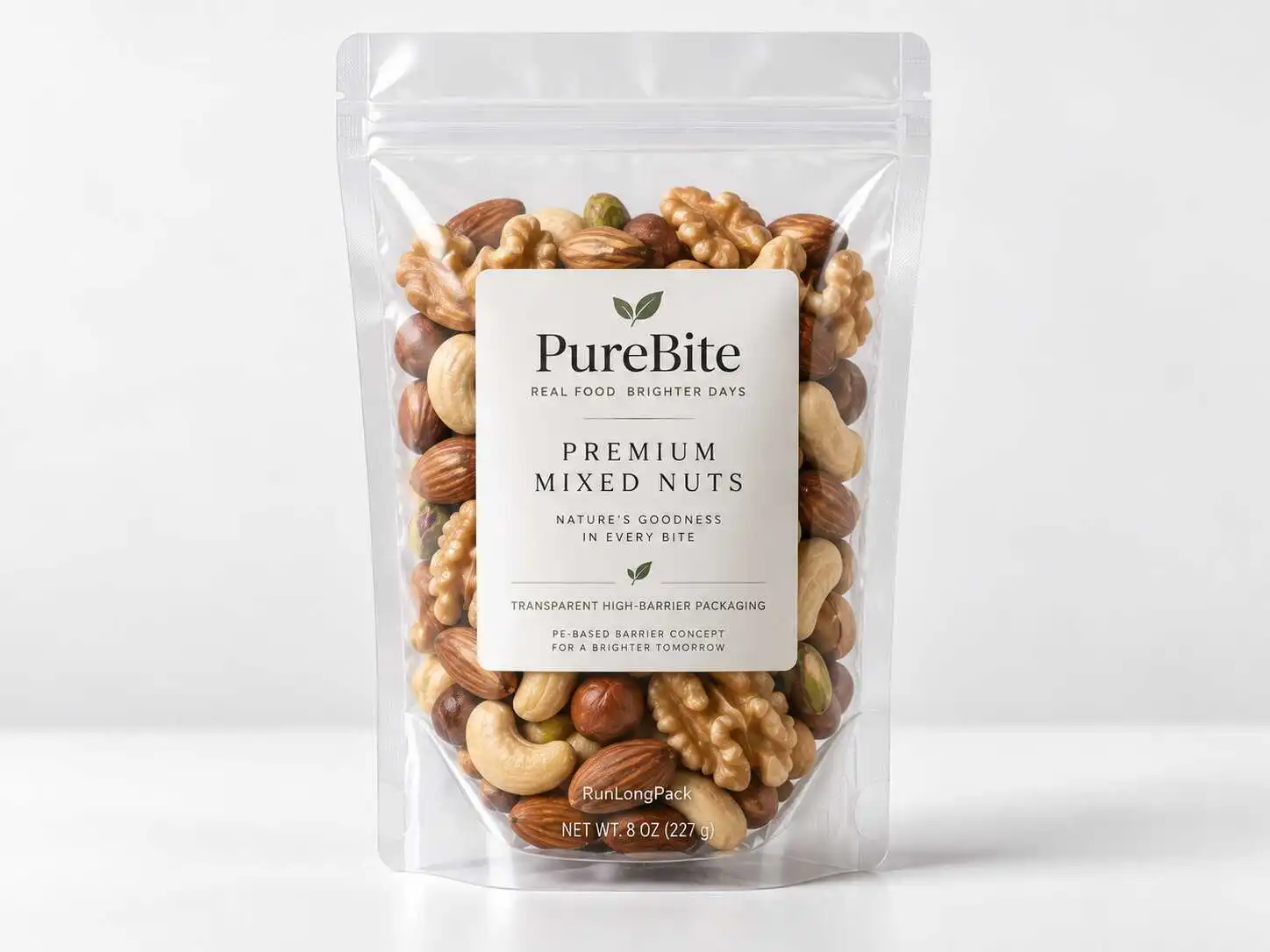
EVOH packaging is often considered when strong oxygen protection and product visibility are both important. Its oxygen-barrier behavior is affected by humidity, so the surrounding structure and actual storage environment matter. Ask how the proposed construction protects the EVOH layer and how performance is assessed under the humidity and temperature your product will experience.
Is EVOH packaging recyclable?
EVOH may be used in PE-based structures designed toward recyclability. Approval depends on the complete construction, not simply the presence of PE. Review EVOH and PE proportions, tie layers, adhesives, inks and any zipper, valve or spout. Check the relevant target-market guidelines and available collection and processing systems.
“PE-based recyclable-ready structure” describes a design direction, not proof that every consumer can recycle the pack locally. Do not print an unconditional recycling claim until the exact structure and intended market have been assessed.
A Real PE-Based EVOH Packaging Project
In the customer project supplied for this guide, the requirement was to move away from a conventional multi-material barrier laminate while maintaining suitable oxygen-barrier performance. Runlong Pack proposed a PE-based structure using EVOH as the functional barrier layer, with custom printing evaluated as part of the complete packaging specification.
The project was designed toward a PE-based recyclable packaging approach, subject to the complete structure and recycling requirements of the target market. It is not presented as proof of universal recyclability, a measured shelf-life improvement or a certified recovery outcome.
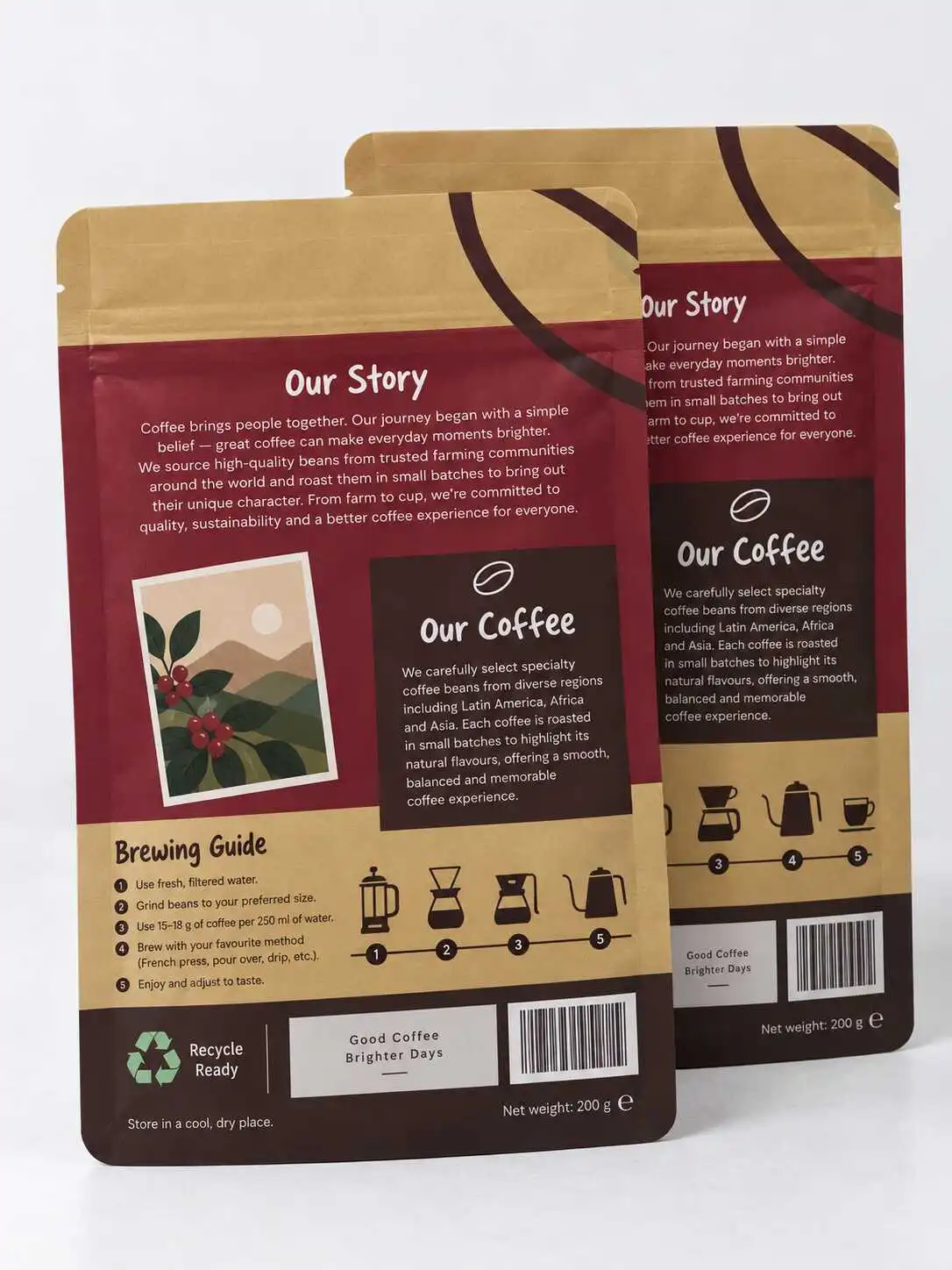
The example supports a practical question: can the barrier, sealant, printing and pouch components be developed around the same project brief? It does not establish a standard material recipe for every coffee product.
The Irish coffee project moved from BOPP/VMPET/PE to a PE-based EVOH barrier direction, with an 80,000-piece first order and later repeat purchases. Read the Irish PE-Based EVOH Coffee Packaging Case Study
AlOx-Coated Films: Transparent High Barrier Without a Metallic Appearance
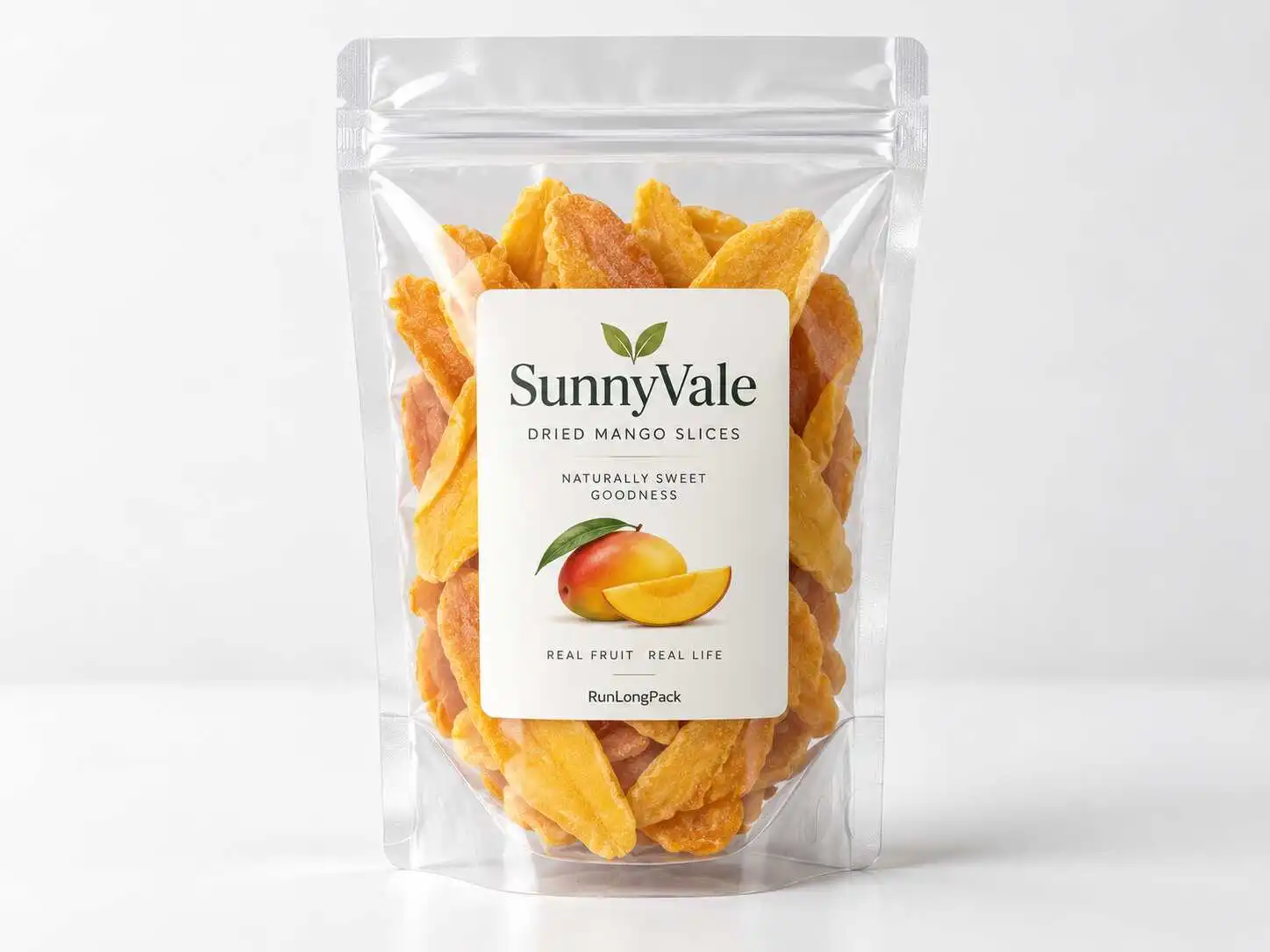
AlOx refers to an aluminum oxide coating deposited on a base film. The coating is extremely thin and can provide oxygen and moisture protection while retaining transparency. This makes an AlOx-based structure worth evaluating when a buyer wants product visibility without the silver appearance of metallized film.
The coating’s integrity is important. Lamination, pouch conversion, flexing and handling can influence finished-pack performance. A supplier’s result for unconverted film is not automatically a result for your finished pouch. Ask which grade is proposed and whether the relevant evidence covers the conditions that matter in your process.
AlOx PET vs AlOx PE-based films
AlOx PET and a suitable AlOx-coated MDO-PE or PE-based film are different systems from a recycling-design perspective. The base film, adhesives, sealant and accessories remain part of the assessment. An AlOx coating itself should not be treated as proof that the complete package is recyclable.
For procurement, write both the coating and substrate into the specification. “Transparent AlOx film” is too broad to compare prices or approve a sustainability statement. Confirm availability and suitability of the proposed grade instead of assuming every coated substrate can run on the same equipment.
VMPET: Metallized Film for Barrier and Light Protection
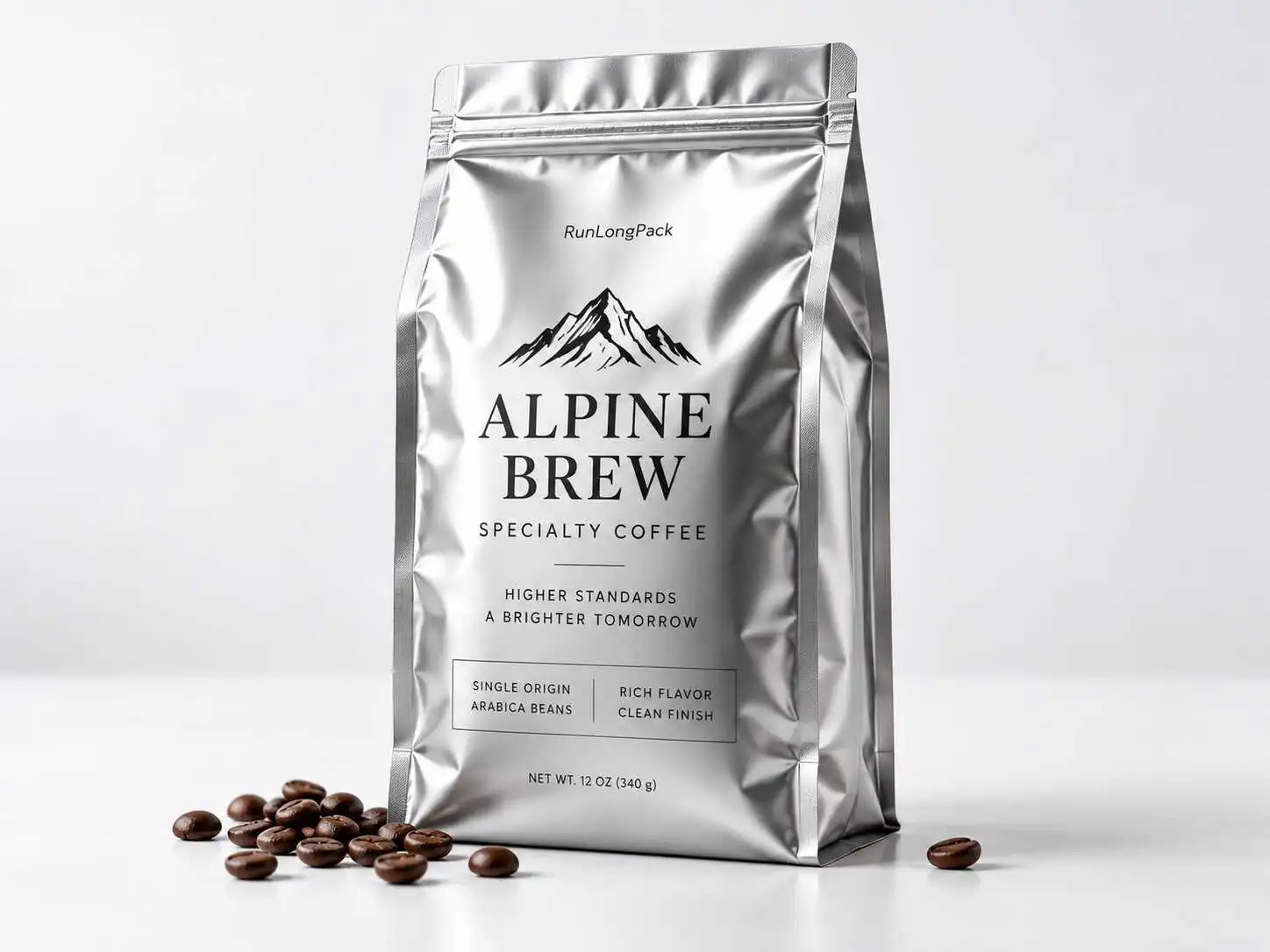
VMPET means vacuum-metallized PET. A PET film receives a very thin deposited aluminum layer, creating a metallic appearance and improving barrier characteristics. It is commonly evaluated where oxygen, moisture and light protection must be balanced with cost.
Coffee, snacks, pet food, powdered foods and seasonings may be candidates, depending on shelf-life and packing goals. Metallization coverage, the film grade and finished-package integrity affect performance. A silver-colored pouch is not enough evidence to identify VMPET; silver printing, foil laminates and other films can look similar.
Is VMPET the same as aluminum foil?
No. VMPET has a deposited metal layer on a plastic substrate. Aluminum foil is a separate metal foil layer incorporated into a laminate. They differ in construction, handling behavior and potential barrier performance. Do not compare them solely by their silver appearance.
If two quotations use “aluminum bag” loosely, request the exact layer descriptions. Ask whether the proposal uses metallized PET or actual foil and how the finished structure meets the agreed barrier requirements.
Aluminum Foil: Very High Barrier for Sensitive Products
Aluminum foil is often selected when very high oxygen, moisture and light protection is a primary requirement. Intact foil provides an effective barrier and is also considered for aroma-sensitive applications. Sensitive powders and demanding food shelf-life projects may justify evaluating a foil laminate.
That does not make foil automatically the best option. It is opaque, may raise material cost and adds complexity to the laminate. Flex cracking and pinholes require attention during conversion and distribution. The sealant, adhesives and closures must still match the product and processing conditions.
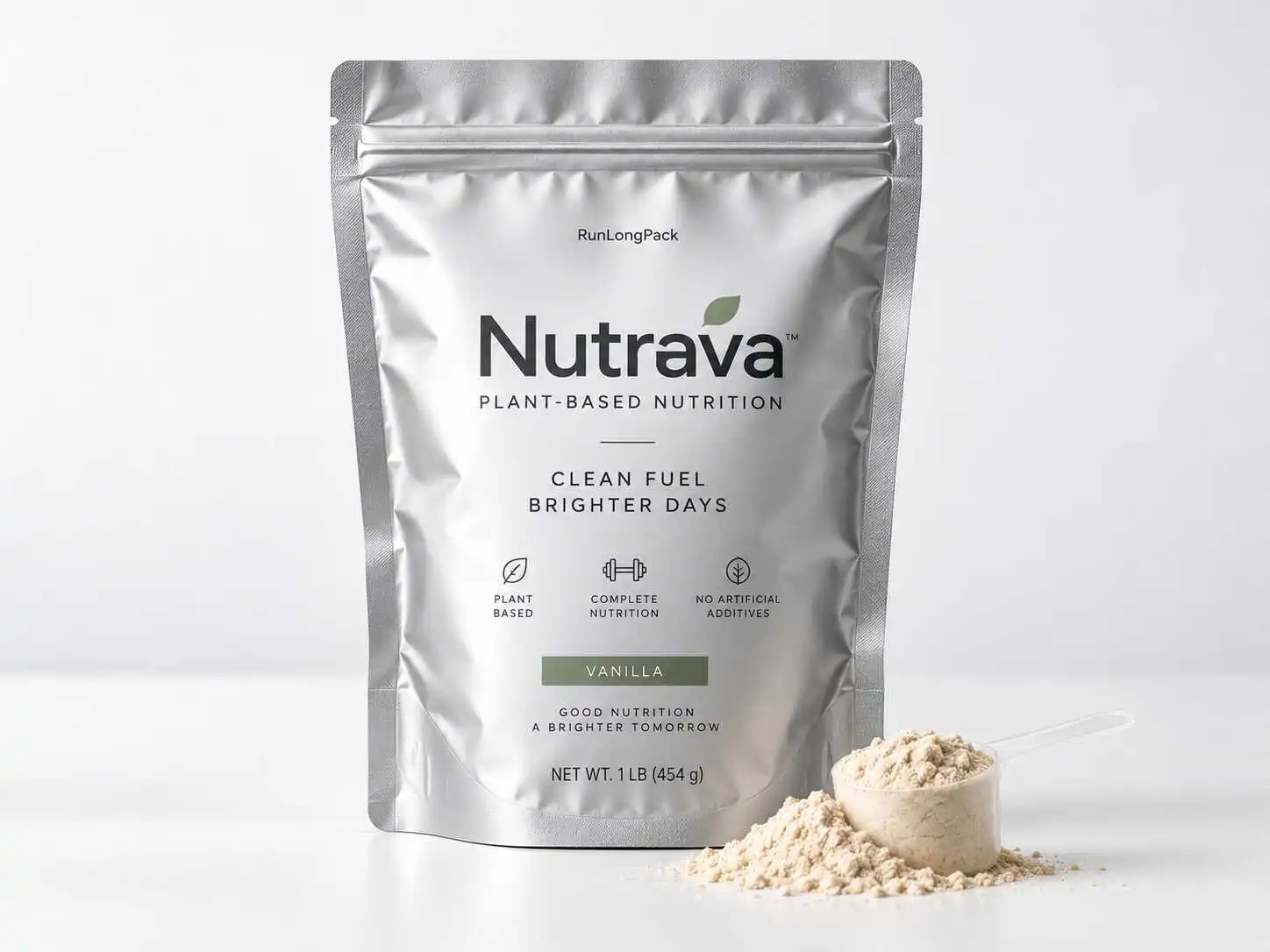
Compare the complete proposal, including pack size, mechanical demands and shelf-life validation. Pharmaceutical or similarly regulated applications require their own qualification; a food-packaging example is not evidence of suitability for those uses. Conventional foil/plastic laminates should not be described as mono-PE packaging or assumed compatible with flexible-plastic recycling streams.
Where product visibility matters more than opacity, or a PE-based design is the priority, a different barrier route may better fit the brief. Document the trade-off rather than choosing foil because it sounds strongest.
KPET: PVDC-Coated PET for Traditional High-Barrier Structures
KPET generally refers to PET film coated with PVDC, or polyvinylidene chloride. This transparent coated film can improve oxygen and moisture barrier and is used in traditional high-barrier laminates. Confirm the coating specification because a material abbreviation alone does not define performance.
↓ coated with
↓ optional lamination, depending on the finished pack
KPET is not automatically a fixed PET/PVDC/PE three-layer pouch. An example laminate may combine KPET with a PE sealant, but that is a finished construction choice. It is not the definition of the coated film itself.
KPET is generally not preferred for mono-PE design objectives. Buyers comparing it with EVOH or AlOx should separate transparency and barrier requirements from end-of-life requirements. Review the full structure and destination-market expectations rather than assuming that a clear pack is recyclable.
Which High-Barrier Packaging Material Should You Choose?
| Your priority | Routes to evaluate | Before approving |
|---|---|---|
| Transparency + strong oxygen protection | EVOH or AlOx-based structures | Humidity, coating or layer integrity, transparency and finished-pack results |
| Transparency + oxygen and moisture protection | AlOx-based structures or suitable multilayer EVOH solutions; KPET where appropriate | Separate oxygen and moisture criteria, sealant and actual environment |
| Light protection + strong barrier | VMPET or a suitable foil laminate | Light-transmission requirement, physical handling and cost |
| Very demanding barrier requirement | Aluminum foil and other qualified high-barrier structures | Pinholes, flexing, seals and product-specific validation |
| PE-based recyclable-design objective | PE-based EVOH or suitable AlOx-coated PE solutions | Complete composition, accessories, local systems and claim substantiation |
Use two filters: first eliminate structures incompatible with the product or packing process; then compare the remaining options against barrier, appearance, economics and recycling-design objectives. A cheaper proposal that cannot satisfy the seal or storage requirement is not an equivalent alternative.
High-Barrier Packaging by Product Type
| Product | Main concerns to establish | Materials often evaluated |
|---|---|---|
| Coffee | Oxygen, aroma, moisture, light; valve and filling conditions | VMPET, foil or EVOH-based structures, depending on the packaging goals |
| Nuts | Oxygen, moisture and desired visibility | EVOH, AlOx or VMPET structures |
| Dried fruit | Moisture balance, oxygen and texture | EVOH, AlOx or metallized structures |
| Powders | Moisture, oxygen where relevant, sealing contamination | VMPET, foil or suitable high-barrier multilayer films |
| Pet food | Oxygen, moisture, aroma, handling and product form | VMPET, EVOH or foil, depending on requirements |
| Sauces | Oxygen, liquid compatibility, filling and processing | EVOH-based multilayer structures and other qualified options |
These are starting points, not fixed material standards. Two products in the same category may have different recipes, distribution environments or shelf-life objectives. A product name cannot replace an application brief.
Frozen, hot-filled and heat-treated products need another check
For frozen packaging, establish low-temperature handling and seal performance. For hot fill, pasteurization or retort, provide the actual process conditions and cooling cycle. The presence of EVOH, AlOx or foil does not make a structure suitable for heat treatment. Every layer and component must be assessed together.
Why the Complete Packaging Structure Matters
A barrier layer performs one job within a system. The outside film may support printing and mechanical strength; adhesive and tie layers join materials; the inside sealant contacts the product and forms the seal. A zipper, valve or spout adds another interface that needs attention.
For printed rollstock, confirm machine compatibility, web behavior and the sealing window as well as barrier. For premade pouches, review seal geometry, corners, fitments and distribution handling. A strong flat-film result does not exclude leaks or damage in the finished package.
A high-barrier material should be selected as part of a complete packaging structure—not as an isolated film name.
Runlong Pack uses food-grade raw materials across its flexible-packaging production and does not use recycled, secondary or scrap materials. This raw-material policy does not mean every proposed structure is automatically approved for every food, temperature or market. Review packaging compliance requirements for the exact application.
Printing is another specification, not a substitute for barrier selection. Compare digital and gravure printing only after the format and material route are understood. Availability, quantities and production feasibility remain project-specific.
A Specification Checklist for High-Barrier Packaging Buyers
Copy this checklist into your request for quotation. Use “to confirm” rather than inventing a value when information is missing. Agree who supplies the data and who approves the final requirement.
| Specification field | Information to provide or request |
|---|---|
| Product and form | Recipe or relevant sensitivity; liquid, powder or solid; oils, acids or particles where applicable |
| Shelf-life objective | Target period and how acceptance will be validated; unopened versus opened use |
| Distribution environment | Storage temperature and humidity, transport conditions and light exposure |
| Barrier requirements | Separate oxygen, moisture, light and aroma priorities; agreed evidence and test conditions |
| Filling and processing | Filling temperature, atmosphere, machine, sealing method and any heat treatment |
| Format and dimensions | Pouch or rollstock, approved drawing, fill weight, closure and accessory details |
| Appearance and print | Visibility/window requirement, finish, artwork, design count and print expectations |
| Recycling-design brief | Destination market, relevant guideline, entire composition and proposed consumer claim |
| Evidence and trial | Structure identification, applicable reports, trial plan and written acceptance criteria |
| Commercial scope | Quantity, SKU quantities, delivery location and terms, sampling scope and price basis |
How to compare barrier reports without false precision
OTR describes oxygen transmission; WVTR describes water-vapor transmission. Request the method, units, temperature, humidity, specimen construction and whether the specimen was tested before or after relevant processing. Results from different conditions are not directly comparable. If a report is unavailable, mark the performance as unverified instead of substituting an industry-average number.
Finish with an application trial: evaluate filling and sealing, inspect the package after handling, and validate product quality against the agreed shelf-life plan. Changing the barrier route, sealant or accessory should trigger a review of which previous evidence still applies.
Frequently Asked Questions
Is EVOH recyclable?
EVOH may be compatible with some PE-based recycling-design approaches. The full composition, accessories, target-market guidelines and local recycling system must be assessed; EVOH/PE is not automatically recyclable.
Is AlOx the same as aluminum foil?
No. AlOx is an aluminum oxide coating on a base film, usually used for transparent barrier applications. Aluminum foil is a separate metal foil layer and is opaque.
What is the difference between VMPET and aluminum foil?
VMPET is PET with a very thin deposited aluminum layer. Aluminum foil is a separate metal foil layer. Confirm the exact construction and finished-pack performance rather than judging a silver appearance.
Is KPET transparent?
KPET generally refers to transparent PVDC-coated PET. Printing and other laminate layers may change the appearance of the finished package.
Which flexible packaging material provides the highest barrier?
Intact aluminum foil offers extremely high oxygen, moisture and light-barrier potential. Finished-pack performance still depends on foil integrity, seals, accessories and the complete structure; no material guarantees shelf life by itself.
Which high-barrier packaging is suitable for recyclable-design projects?
PE-based EVOH structures and suitable AlOx-coated PE structures may be evaluated. Suitability depends on the complete design, relevant guidelines and the recycling system in the intended market.
Do coffee bags always need aluminum foil?
No. VMPET, EVOH-based and other qualified structures may be considered according to oxygen, moisture, aroma, light and shelf-life requirements, together with valves and filling conditions.
How do I choose between EVOH and AlOx?
Compare the complete proposed structures against oxygen and moisture needs, transparency, humidity, handling, processing and recycling-design goals. Request comparable evidence and an application-specific trial rather than choosing by the material name alone.
Not Sure Which Barrier Structure Your Product Needs?
Tell us what you are packaging, your target shelf life, storage conditions and packaging format. Runlong Pack can help evaluate suitable flexible packaging structures based on your project requirements.
Discuss Your Packaging Structure