

Custom Resealable Dog Treat Packaging Bags
Custom empty printed zipper stand-up pouches for dog treat brands, pet snack producers and private-label projects. Build your pack around the treat, shelf presentation and filling process—from bite-size training rewards to biscuits and dried meat strips.
Custom sizes · Resealable zippers · Window options · Digital and gravure evaluation
Send your treat type, fill weight and quantity per design. Materials and final specifications are confirmed for your product.
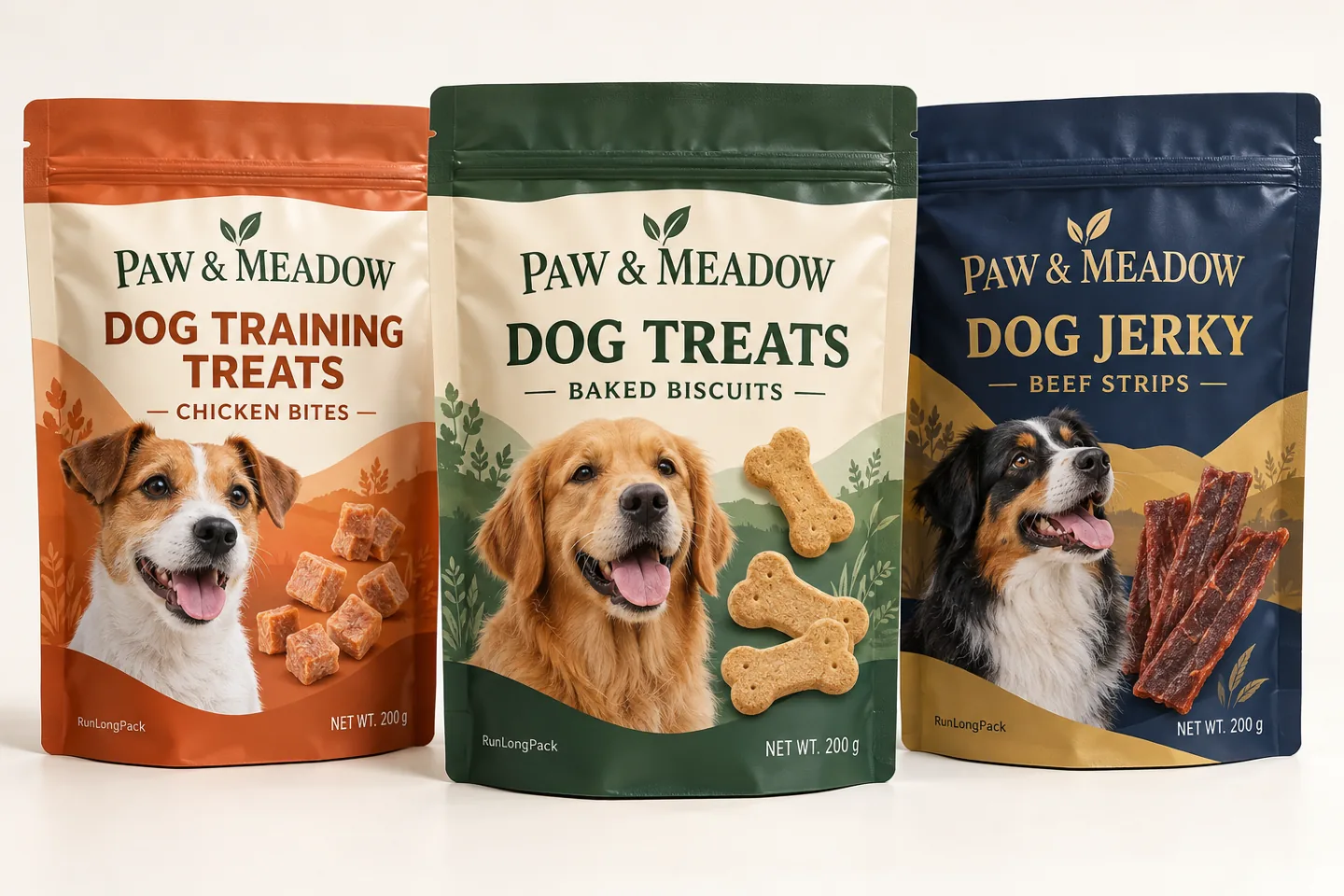
Choose the Pouch Around Your Dog Treat
Training Treats and Small Bites
For small pieces used over multiple occasions, review the opening width, resealable closure and practical pack size. Check whether crumbs or oily surfaces could contaminate the seal area.
Baked Biscuits and Crunchy Snacks
Check the actual loose-fill volume and the largest biscuit dimensions. Allow headspace and protective carton packing; a flexible pouch alone does not prevent fragile treats from breaking.
Dried Meat Strips and Jerky
Review product oil, moisture and shape when selecting the barrier and bag dimensions. Long or firm strips may need a wider opening and a structure evaluated for handling and puncture risk.
Soft or high-moisture treats need a separate product and process review. Do not assume an ordinary dry-snack pouch is suitable for retort, hot filling or refrigerated products. Packaging alone cannot establish shelf stability.
Resealable Details That Make the Pack Practical
Zipper + Initial Heat Seal
The zipper provides reclosure after opening. Confirm a separate initial heat seal and enough clean sealing space above the zipper for your packing process.
Tear Notch and Optional Hang Hole
Coordinate the notch, tear path and hanging feature with the top seal and zipper position. Confirm the hole shape and filled-pack support with the final drawing.
Finish and Shelf Presentation
Compare matte or gloss print finishes, rounded corners and a stable bottom gusset. Confirm the filled pouch on the actual shelf or retail hook, rather than judging an empty bag.
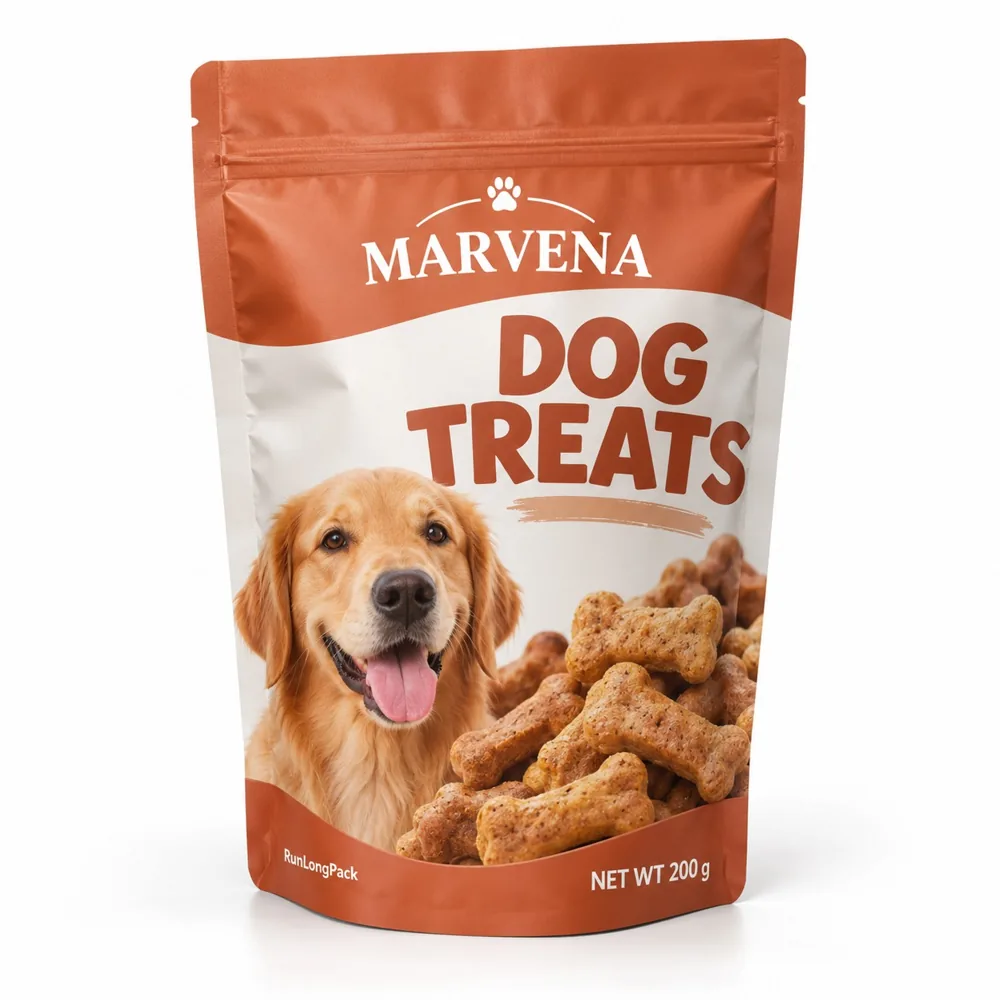
Match the Barrier to Moisture, Oil and Storage
There is no single dog treat bag material that fits every recipe. Share the treat composition, product condition at packing, expected storage, light sensitivity and target shelf life. We can evaluate a laminate and sealing layer around those requirements.
Moisture and Oxygen
Review water-vapor and oxygen barrier needs for the specific treat. Where data is available, compare WVTR and OTR using the stated test conditions, not only the film thickness or marketing name.
Product Contact and Handling
Oil, crumbs and product edges affect the packing assessment. Confirm material compatibility, seam cleanliness and suitable handling checks with the actual treat and pouch construction.
Light and Distribution
An opaque construction may be considered where light protection is needed. Review cartons, storage humidity and distribution conditions as part of the overall pack specification.
Printed Window or Full-Print Pouch?
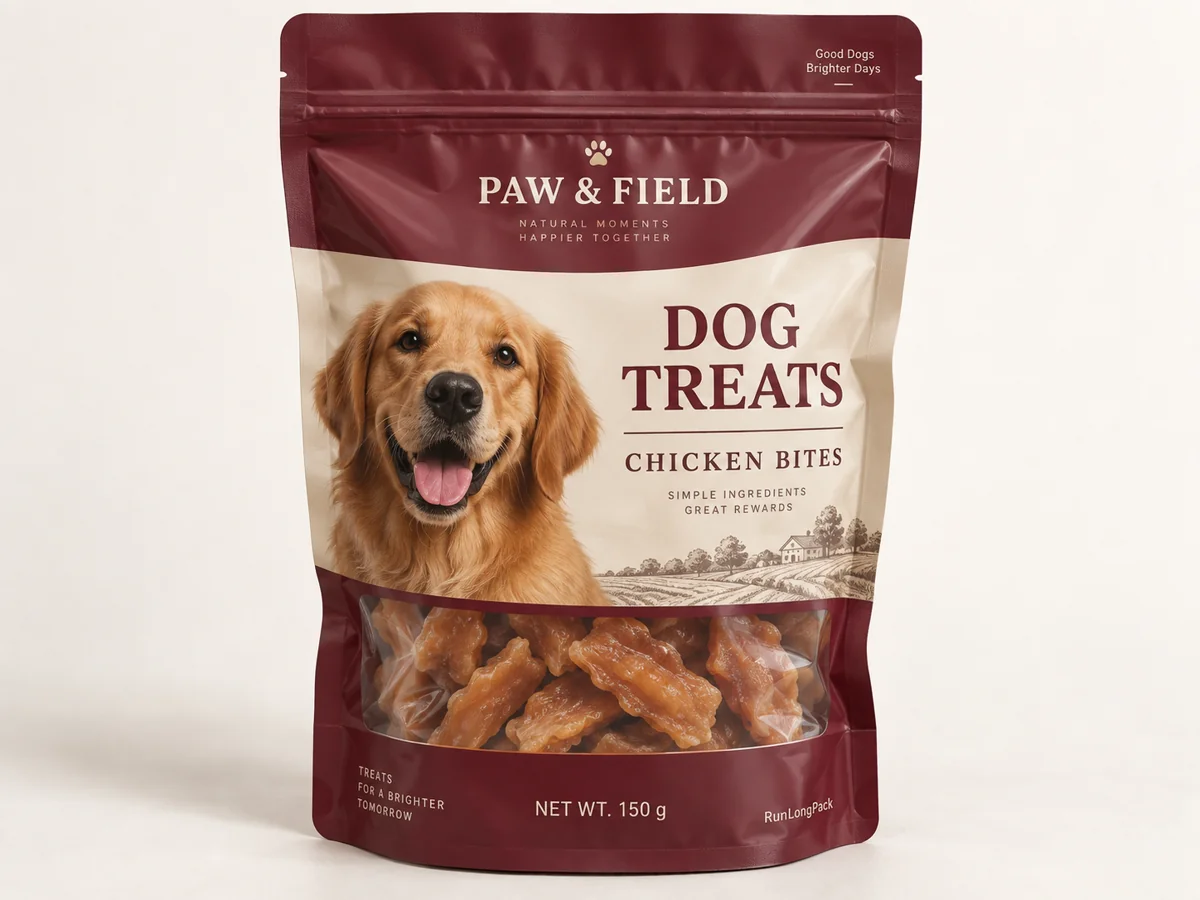
A window can show the actual treat
A transparent area can help shoppers see the shape and appearance of biscuits or meat pieces. Its location and size should also leave room for the brand, product name and required label information.
The clear area cannot contain a continuous opaque aluminum-foil or metallized layer. A transparent front with an opaque foil or metallized back can be evaluated, but the complete pouch is not automatically equivalent to a fully opaque barrier pack.
Full-print artwork is another way to communicate the treat without a window. Transparent appearance alone does not prove barrier performance; assess the complete structure and product shelf-life requirements.
Confirm Size with a Real Fill Test
Four dimensions to clarify before artwork
- Finished width and height: specify the external pouch dimensions.
- Bottom gusset: state whether the number means one folded side or the total opened depth.
- Usable fill space: allow for seams, zipper position, product headspace and top sealing clearance.
- Opening and product size: check the largest biscuit or strip and the filling funnel or nozzle.
A 200 g pack of light biscuits can require a different bag from 200 g of dense meat treats. Use a reference pouch, trial-fill it with your own product, then check reclosure, shelf appearance and carton fit. Printed weights on our concept images are not guaranteed capacities.
Use our packaging bag size guide as a starting point, then confirm the approved dimensions before production.
Custom Printing for One Recipe or a Treat Range
Digital Printing
Evaluate suitable smaller launches and multiple artwork versions. Some ordinary pouch projects can start around 100 pieces; around 1,000–3,000 pieces is generally recommended for better value. Structure, size and finish can change feasibility.
Gravure Printing
Normal custom pouch projects generally start around 10,000 pieces. Compare gravure for repeat production with stable artwork. Quantities and cylinder requirements are assessed per design; multiple recipes are not automatically one MOQ.
Artwork and Color
Keep product names, recipe variants and mandatory information legible. Digital printing normally uses CMYK; exact Pantone matching is not guaranteed. Approve the final copy, barcode, dimensions and layout before production.
Maximum finished pouch width for digital printing is approximately 37 cm. Larger widths and special structures need a different production assessment. Final MOQ depends on size, material, artwork, SKU quantity and process.
Samples, MOQ and Production Planning
Reference Samples
A limited number of available reference samples are normally free, with freight paid by the buyer. They help compare bag format, material feel and print appearance, but do not validate your final recipe or shelf life.
Custom Printed Samples
Ordinary custom printed pouch samples are approximately USD 50–70 each, depending on size and process. UV, hot stamping and similar special-finish samples are generally approximately USD 100–150 each, subject to confirmation.
Production Timing
Typical digital production is approximately 8–10 working days. For gravure with new cylinders, allow approximately 7–9 working days for cylinder making, followed by approximately 15–20 days of production after cylinders are completed.
Production timing starts after final artwork/specification approval and receipt of the required payment. Shipping is additional; materials, special finishes, holidays and the production schedule can affect timing. For a qualifying gravure bulk order of more than 20,000 pieces per design, the sample fee may be refunded under the confirmed policy. See sample options and costs.
What to Check Before Approving Bulk Bags
Fill and Reclose
Try the real treat, check the opening and fill space, and assess zipper access after opening. Keep crumbs and oils out of the seal and closure channels.
Seal on Your Equipment
Evaluate suitable temperature, dwell time and pressure for the approved structure. Inspect the seal and review applicable leakage, handling or pressure checks rather than relying on appearance alone.
Confirm Print and Pack-Out
Check the approved artwork version, recipe identification and barcode. Verify outer-carton fit and product protection using the intended distribution conditions.
Runlong Pack: Custom Flexible Packaging for Your Brand
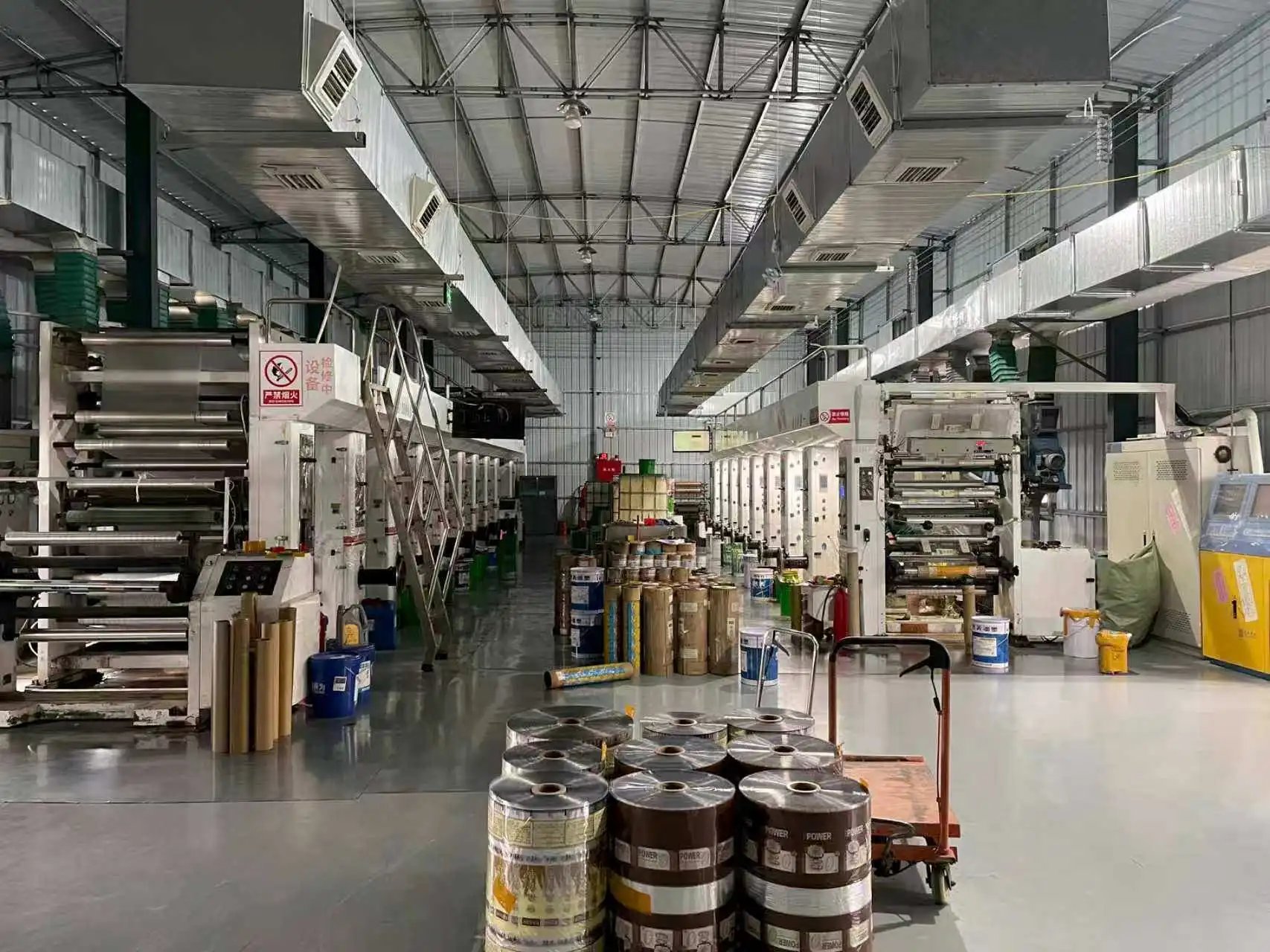
Runlong Pack supports brands, manufacturers, importers and packaging buyers with custom printed premade pouches and rollstock. We assess dimensions, material structures, printing and functional details around each project.
We use food-grade raw materials for flexible packaging production and do not use recycled, secondary or scrap materials. Applicable material and food-contact documents can be reviewed for the proposed structure and intended use; this is not a universal certification of every pouch.
Production checks may include dimensions, printing, lamination and sealing, with additional tests selected for the order. You can review available compliance information and our company capabilities.
Resealable Dog Treat Bag FAQ
Can you print our logo and separate treat flavors?
Yes. We can evaluate custom branding and separate artwork for different recipes. Confirm quantity per design, dimensions and material requirements so we can compare appropriate printing routes.
Does a resealable zipper replace heat sealing?
No. The zipper is for reclosure after opening. Confirm the initial production heat seal, seal clearance and equipment settings for the actual pouch structure.
Can we add a clear window?
A suitable window can be evaluated after reviewing the barrier and label layout. The clear area cannot retain a continuous opaque foil or metallized layer. Validate the complete package for your product and storage conditions.
Can you recommend a bag size from the fill weight?
Fill weight is only a starting point. We also need product dimensions and loose-fill volume or a reference bag. Trial-fill samples with the actual treat before approving the final dimensions.
Are these bags suitable for soft or wet dog treats?
Suitability needs separate confirmation using the recipe, moisture level, processing method and storage requirements. Do not assume a dry-treat pouch is retort-compatible or establishes shelf stability.
What is the minimum order for custom dog treat bags?
Some suitable ordinary digital pouch projects may start around 100 pieces, with around 1,000–3,000 pieces recommended for better value. Normal gravure projects generally start around 10,000 pieces. Final MOQ depends on size, structure, artwork and process.
Can we get a free design preview?
Yes. Send your logo and design direction. A free static packaging mockup is typically ready within 2 days after the necessary information is received. Physical samples, production artwork approval and manufacturing are separate steps.
Can you guarantee the shelf life of our treats?
No universal shelf-life claim applies to every treat. Recipe, processing, barrier, seal quality and storage must be evaluated together. A packaging concept or generic material name is not a shelf-life validation.