



Turn the approved specification into checkable criteria
Packaging quality control starts before printing—with a locked size, material, artwork, features, tolerances and test plan that production and the buyer understand.
What should flexible packaging quality control include?
Quality control should compare the finished package with the approved specification and artwork. Applicable checks may include dimensions, printing, lamination, seals, pouch conversion, leakage, pressure, drop and material-strength evaluations.
Not every test applies to every pouch. The product, bag type, material, filling method, filled weight, storage, transport and market requirements should determine the written criteria.
Quality control starts with an approved specification
A useful specification defines the contents, pouch type, dimensions, material or performance requirement, thickness, printing, features, quantity, SKU list, filling and sealing conditions, and any project-specific acceptance criteria.
Structure
Pouch format, finished dimensions, gusset, seal style, thickness and features.
Artwork
Approved files, dieline, text, barcode, colors and every SKU version.
Performance
Barrier, filling, seal, shelf-life, storage and transport requirements.

Separate artwork accuracy from color expectations
Printing review can include correct SKU and version, text and barcode placement, registration, visible defects and comparison with the agreed color reference or approval method.
Digital printing normally uses CMYK and should not be presented as guaranteeing exact Pantone matching. Screen display, photographs, digital and gravure processes can also create visual differences. If a strict brand color matters, confirm the reference and process before quotation and production.
Preparing the approval standard?
Send the final specification, artwork and critical performance requirements before production starts.
Check the structure as a functional package
Lamination joins the selected layers into the final structure. Review should focus on the approved material and relevant functional requirements rather than a layer name alone.
Layer integrity
Evaluate visible separation, bubbles, wrinkles or other relevant lamination issues.
Barrier purpose
Confirm moisture, oxygen, light or puncture needs against the real product.
Seal layer
The inner layer and sealing conditions must suit filling and the packaging equipment.
Measure the finished pouch and every functional position
General Runlong Pack size tolerance is approximately ±2 mm unless a different written standard applies. The inspection plan should state which dimensions and positions are critical.
Finished dimensions
Width, height, gusset and other approved measurements.
Functional features
Zipper, valve, spout, tear notch, hang hole, handle and window position.
Seal areas
Seal width, alignment, contamination and the usable filling opening.
Tolerance is a written project rule. If equipment or the application needs another standard, agree on it before production rather than after delivery.
Use tests that represent the real failure risk
Applicable seal and package checks may include visual seal inspection, leakage or air-tightness evaluation, pressure-related checks and review of contamination or wrinkles in the seal area.
The correct method depends on the product, package format, filling, filled weight and distribution conditions. Empty-pouch testing does not replace a filled-pack validation program where the application requires it.

Test beyond appearance when the application requires it
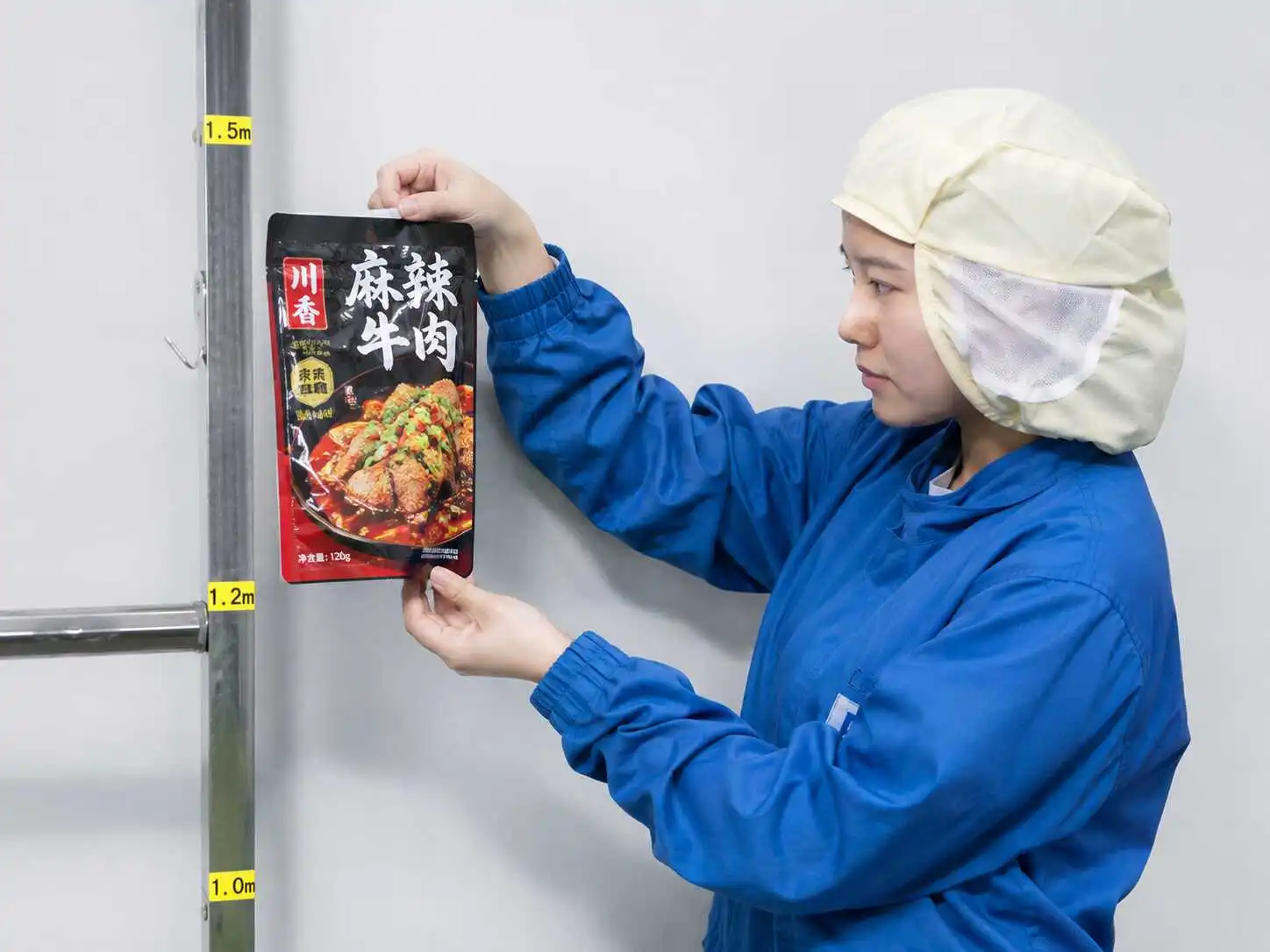
A pouch can look correct but still face stress from filling, dropping, carton compression, vibration, sharp contents or consumer handling. Applicable checks may include drop, pressure, puncture or material-strength evaluation.
Define whether the test uses empty samples, simulated contents or the actual filled product. Record the test method and acceptance condition so both parties evaluate the same result.

Connect release checks to the approved order
Identity
Correct product, SKU, artwork version and quantity records.
Appearance
Printing, pouch conversion, contamination and visible defects.
Dimensions
Finished size, gusset, seals and functional-feature positions.
Function
Applicable seal, zipper, valve, spout, leak or handling checks.
Packing
Bag count, cartons, labels and protection for shipment.
Records
Agreed inspection result, deviations and release decision.
For gravure production, the actual quantity delivered and settled normally applies, and the contract normally allows approximately ±10%. This production-quantity variation should be stated separately from product-quality criteria.
Flexible packaging quality-control questions
What does flexible packaging quality control check?
What is Runlong Pack’s general pouch size tolerance?
Does digital printing guarantee exact Pantone color?
Which seal and leakage tests are required?
Is empty-pouch testing enough?
Why can a gravure order quantity vary?
What should the buyer approve before production?
Send the specification, artwork and critical test requirements
Include the product, pouch type, size, material or performance target, features, filling, quantity, SKUs, artwork, destination and any written acceptance criteria.