


Choose a zipper your customers want to use
Compare single-, double-, triple- and five-track closures, sliders and specialist profiles. Match the reclosure to your product, filling process and custom printed stand-up pouch.
Which zipper is best for a stand-up pouch?
For many dry snacks, a standard press-to-close zipper is a practical starting point. Multiple-track closures, including five-track designs, provide additional interlocking channels to evaluate when repeat use and closure feel matter. For fine powders, ask about particle-resistant or hook-to-hook profiles; for larger openings, consider a slider. The right choice depends on the specific zipper profile, product, pouch material and filling process, so request samples and test the complete pouch.
Stand-up pouch zipper types: a quick comparison
These are selection starting points, not universal performance ratings. Availability and compatibility are confirmed for your order.
| Closure | How it works | Useful starting point | What to check |
|---|---|---|---|
| Single-track press-to-close | Align and press one interlocking profile across the opening. | Everyday snacks, dried fruit and many general-purpose pouches. | Closing alignment, ease of opening and product caught in the track. |
| Double- or multi-track | Two or more interlocking channels are pressed together. | Repeated use or a more substantial closure feel. | Opening and closing force, cleanliness and actual finished-pouch testing. |
| Five-track / multiplex | Five interlocking channels within the selected profile. | Projects comparing a multi-channel closure for frequent reclosure. | Confirm actual profile, sample availability, ease of use and sealing performance. |
| Slider zipper | A moving slider brings compatible zipper profiles together. | Wider bags or products opened frequently. | Slider retention, end stops, dimensions, cost and line compatibility. |
| Particle-resistant / hook-to-hook | Profiles are designed to address some contamination or alignment challenges. | Powders, crumbs or small granules. | Test with the actual product; designs differ and contamination can still affect closure. |
Tip: On a phone, swipe the table sideways to see all columns.
Four different things buyers call a “zipper type”
These terms answer different questions. A single closure may combine several of them: for example, a double-track press-to-close zipper with sealing flanges.
Ask for the actual profile or a sample when requesting a quote. A color, a wide flange or a model number alone does not identify the number of locking tracks.
What is a five-track zipper pouch?
A five-track zipper is a press-to-close reclosure whose selected profile has five interlocking channels. A consumer presses along the pouch opening to engage the tracks after the original top seal is opened. The term multiplex zipper is also used for some multi-channel designs, although product names are supplier-specific.
For brands selling products used over multiple sessions, five channels may be worth comparing against a single- or double-track sample for closing feel and retention. More channels do not automatically make a pouch airtight, leakproof, child resistant or better for every product. Zipper design, end seals, material, contamination, opening force and how completely the user closes it all matter.
As one example of the terminology, Fresh-Lock describes a multiplex closure with five sets of interlocking channels. This is a reference to a third-party product, not a claim that the same branded zipper is supplied on every Runlong Pack order.
Interested in a five-track zipper bag?
Send us the product, approximate pouch dimensions and a photo or sample of your preferred closure. We can check suitable zipper availability and discuss a custom printed stand-up pouch.
Resealable pouch zipper types, with photo references
1. Single-track press-to-close zipper
The user aligns the two sides and presses the matching profile together along the full opening. This is a practical starting sample for many snacks, nuts, dried fruit and small retail packs. It can be straightforward and compact, but requires correct alignment and a clean track. Confirm opening force, hand access and reclosure with your actual product.
2. Double-track and triple-track zippers
Two or three interlocking channel sets give buyers additional profile options to compare. Certain designs provide a firmer closing sensation or different product-side retention, but the result depends on the geometry and finished pouch. More tracks can also change opening effort, sealing requirements and cost. Ask intended users to try the samples, especially if the bag is opened frequently.
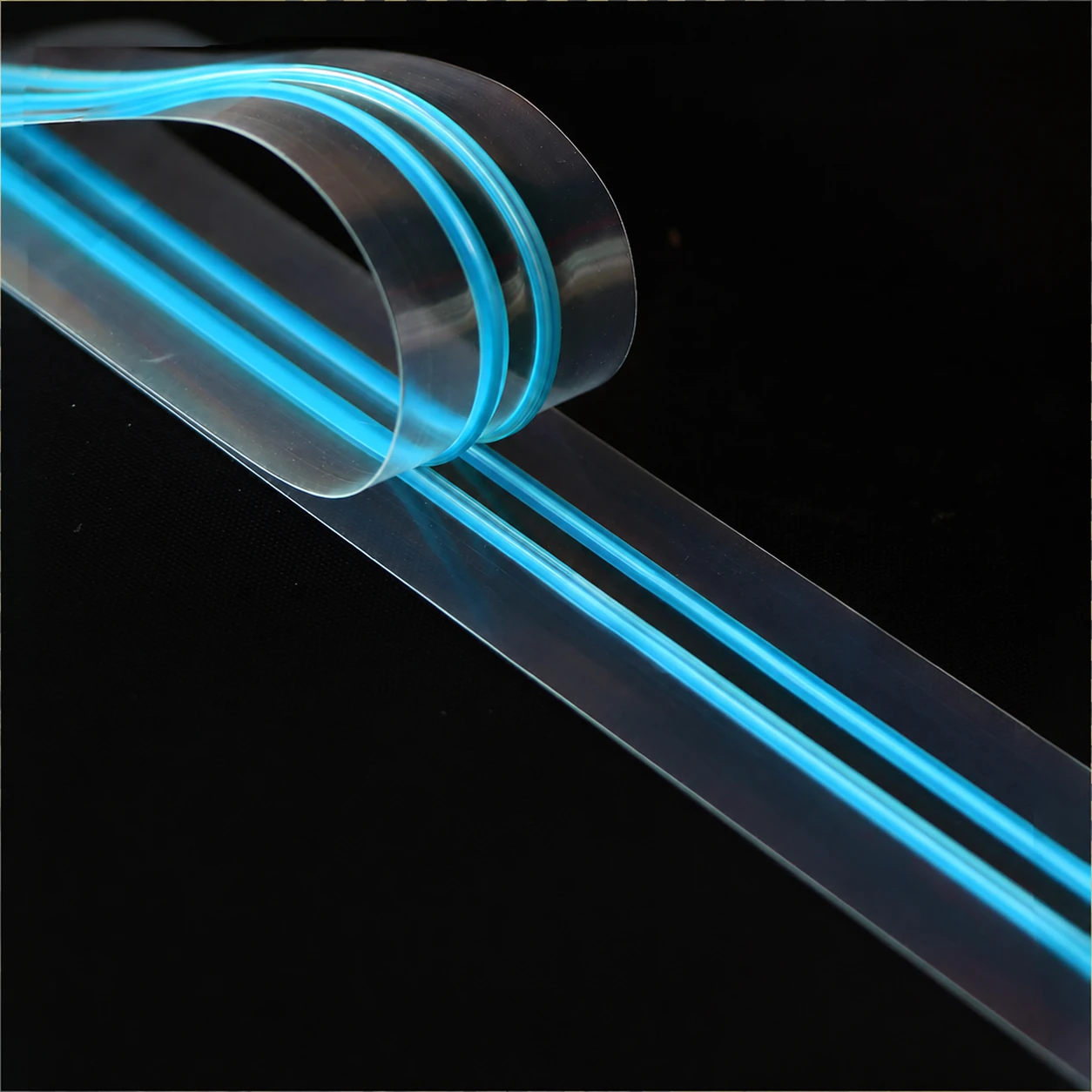
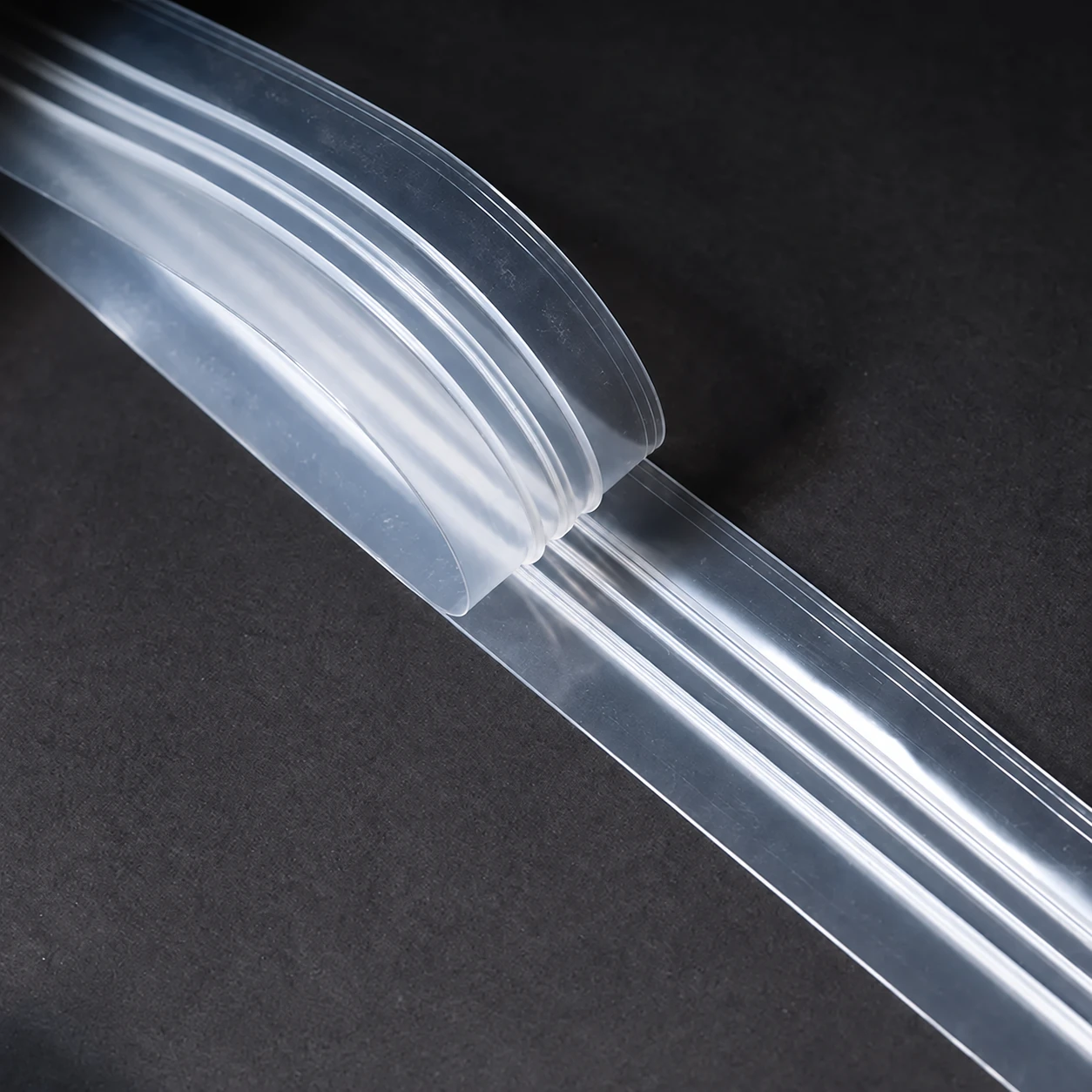
Check the exact drawing: the supplier’s “double flange” description refers to sealing geometry and should not be used alone to count locking channels. The reference supplier identifies the pictured styles within its double- and triple-track range.
3. Five-track or multiplex zipper
A five-channel profile is a further multi-track option to discuss for repeat-use packaging. Use the five-track selection checklist above to compare the exact closure against simpler samples. Do not identify an unrelated photograph as five-track just because it shows several lines.
4. Slider zipper
A moving slider guides compatible tracks together. It is worth evaluating for wider openings, larger bags and repeated use when customers prefer a sliding action. Review slider retention, end stops, bag opening, filling clearance and handling on your equipment. The added component and insertion process can affect cost and lead time.
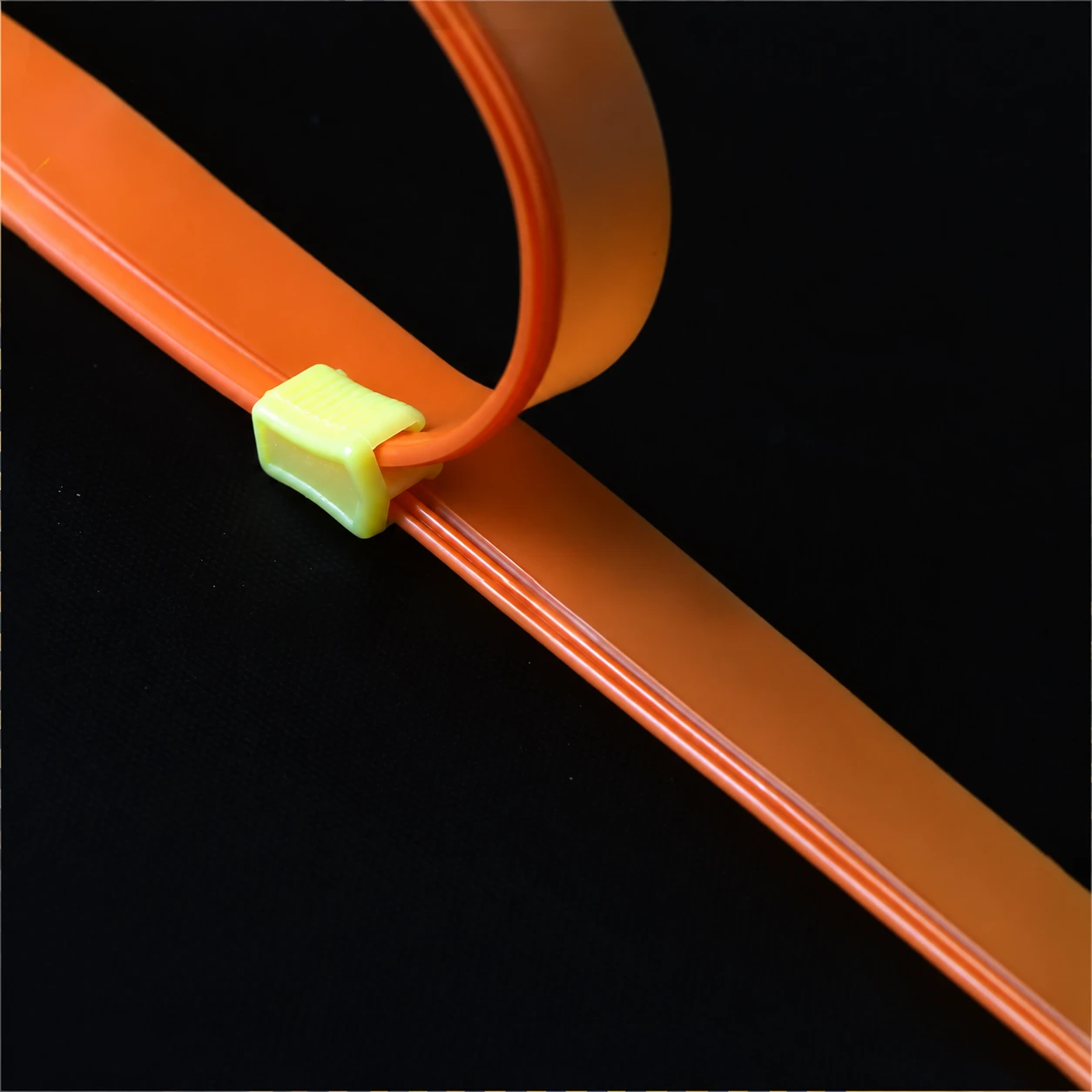
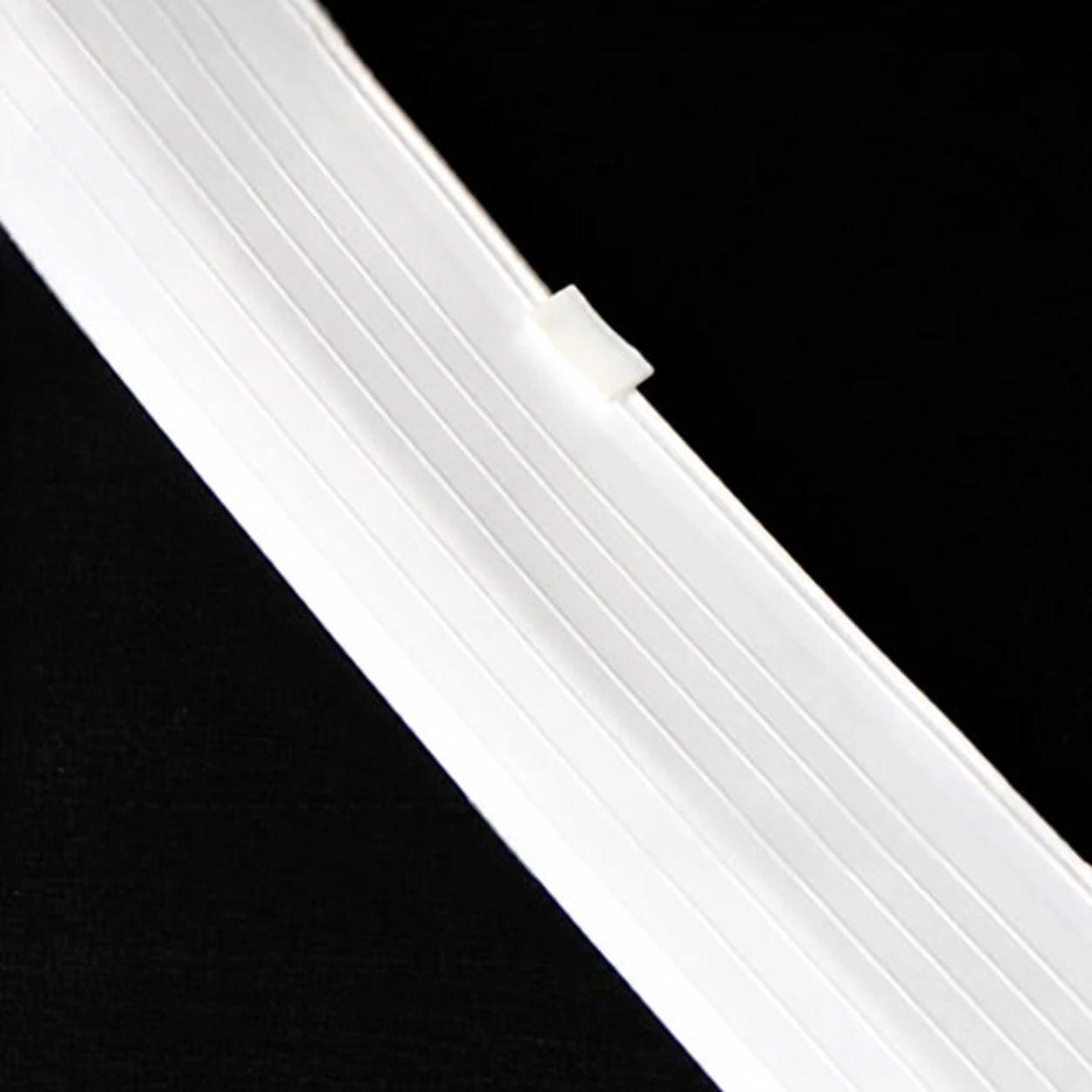
A slider that reaches the end is not a substitute for agreed package tests. Contamination, damaged profiles or the end construction may still affect reclosure.
5. Hook-to-hook zipper for powder pouches
A hook-to-hook zipper, sometimes described as a Velcro-style closure, uses many small molded plastic hooks that interlock when the two strips are pressed together. Unlike a conventional rib-and-groove track, some designs do not require precise line-to-line alignment. Hook-to-hook is a specific construction; particle-resistant is a broader functional category, and the two terms are not interchangeable.
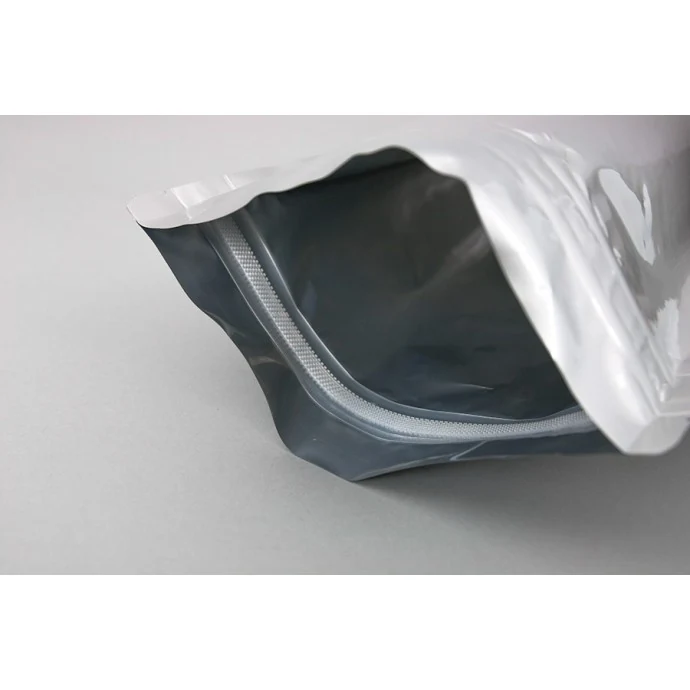
Why consider it for powders? Some hook-to-hook profiles are designed so small particles can fall into spaces between the hooks, helping the closure function when a limited amount of powder or crumbs is present. This can be useful for products opened repeatedly, such as protein powder, baking mixes, coffee or seasoning. Closing feel and tolerance depend on the selected profile and product.
Heat seal and barrier still matter. For a common top-fill pouch, the initial seal is made above the zipper before first opening. Reclosing a zipper does not automatically make the opened bag airtight or waterproof. The film structure, zipper profile, end seals and complete filled pack must be evaluated for the product and storage conditions.
Other particle-resistant options, including special profiles and sliders, are also available in the wider market. Fresh-Lock describes examples of these approaches. Ask us to confirm hook-to-hook availability, compatible pouch materials, samples and pricing for your specific order.
Compare zipper options for your powder pouch
Tell us your powder type, pouch size and quantity. Share a photo or sample if you already use a closure you like.
6. Audible or tactile zipper
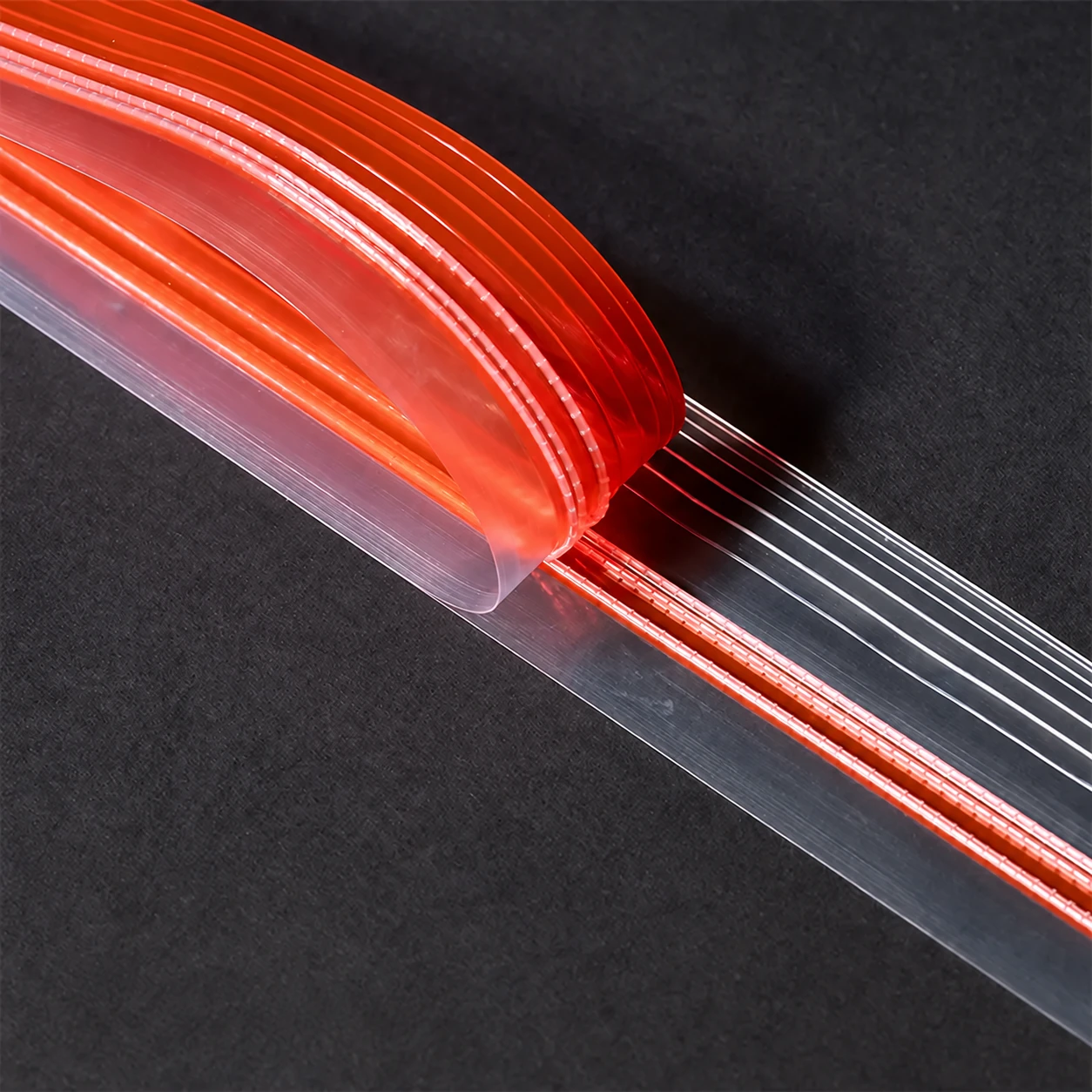
A closing sound or a noticeable tactile response can help a customer recognize engagement. It is a user-experience feature that may be combined with different profile designs, rather than a separate guarantee of seal performance. Test whether users actually close the entire width; a click in one place does not confirm closure everywhere.
7. Pocket, front or pull-strip access
These descriptions often refer to where and how the consumer reaches the zipper. A front-mounted or pocket construction may keep the closure under a tear-away cover while leaving an appropriate route for filling. Confirm the drawing, fill opening and first-opening sequence. This access format can be relevant to flat-bottom coffee or other multi-use pouches; it does not by itself identify the track count.
8. Child-resistant and other specialist systems
Controlled-opening systems require a specific mechanism and appropriate documentation for the complete package. A stronger-feeling or five-track zipper is not automatically child resistant. Liquid-retention, high-temperature or low-temperature applications also require project-specific closure and pouch assessment. Explain the real use conditions in your brief.
Flange versus string zipper: why attachment and material matter
A flange zipper has extended strips beside the lock that provide area for attachment to compatible pouch film. A string-style zipper is narrower and uses a different attachment geometry. Neither term states the track count. The converting or insertion process must match the selected profile.
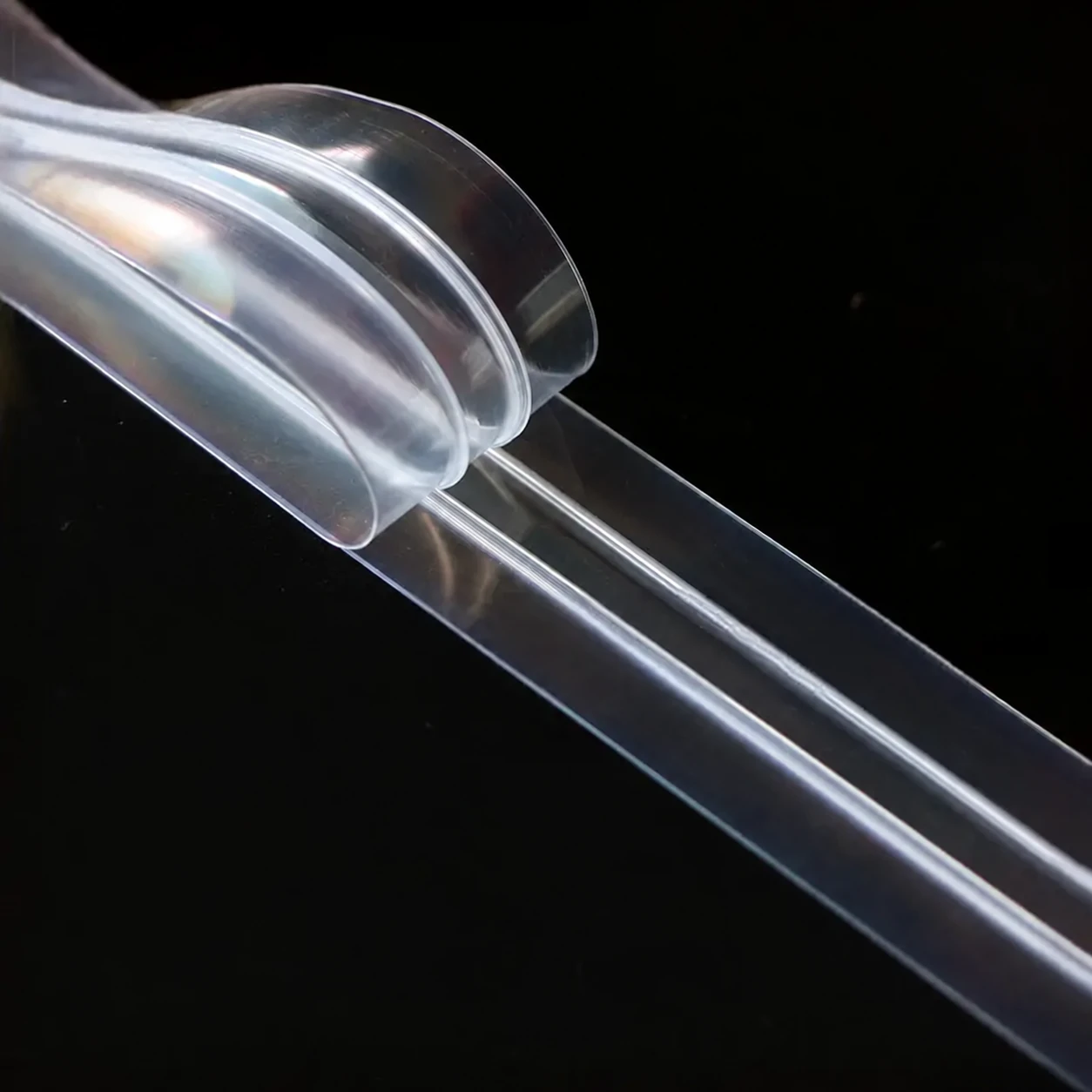
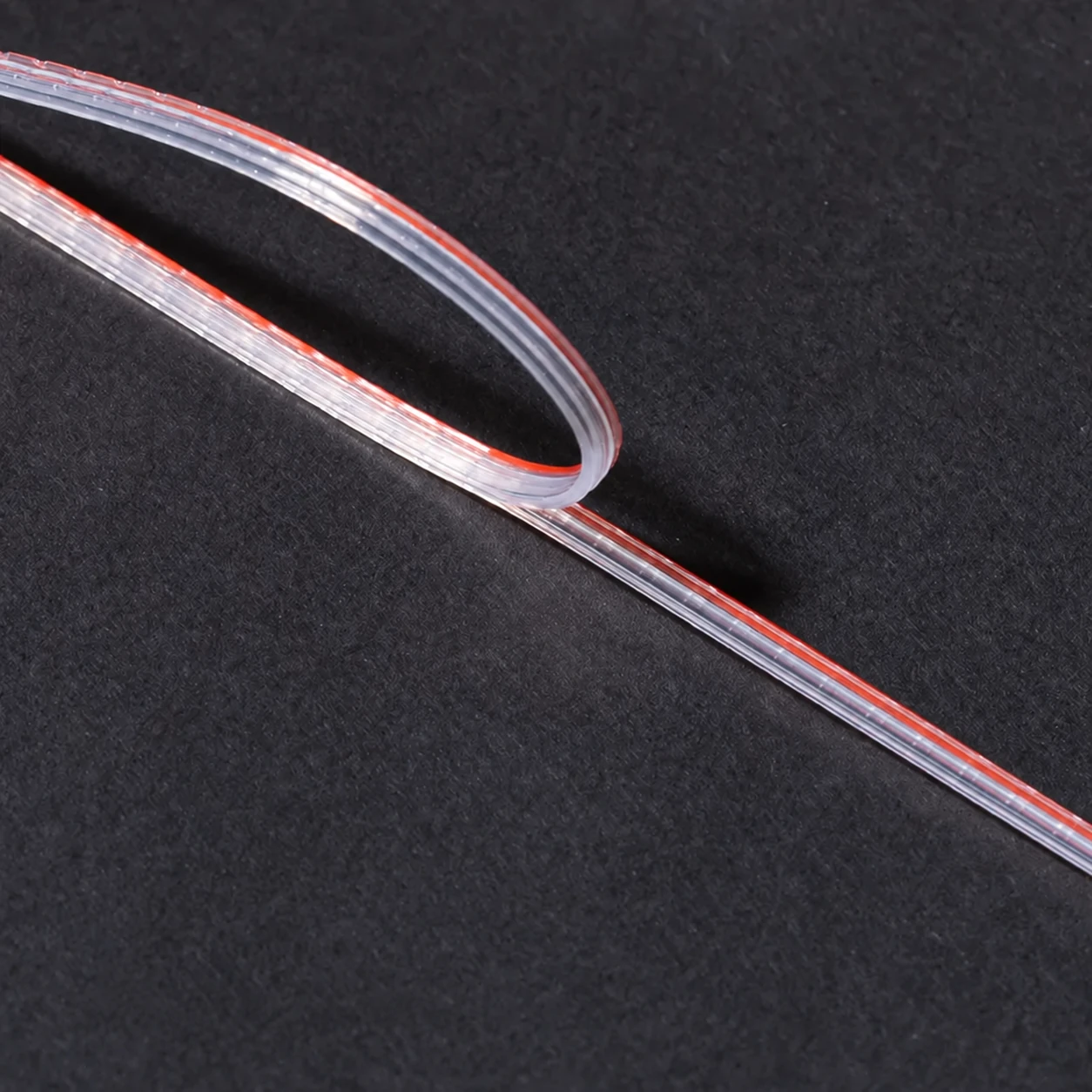
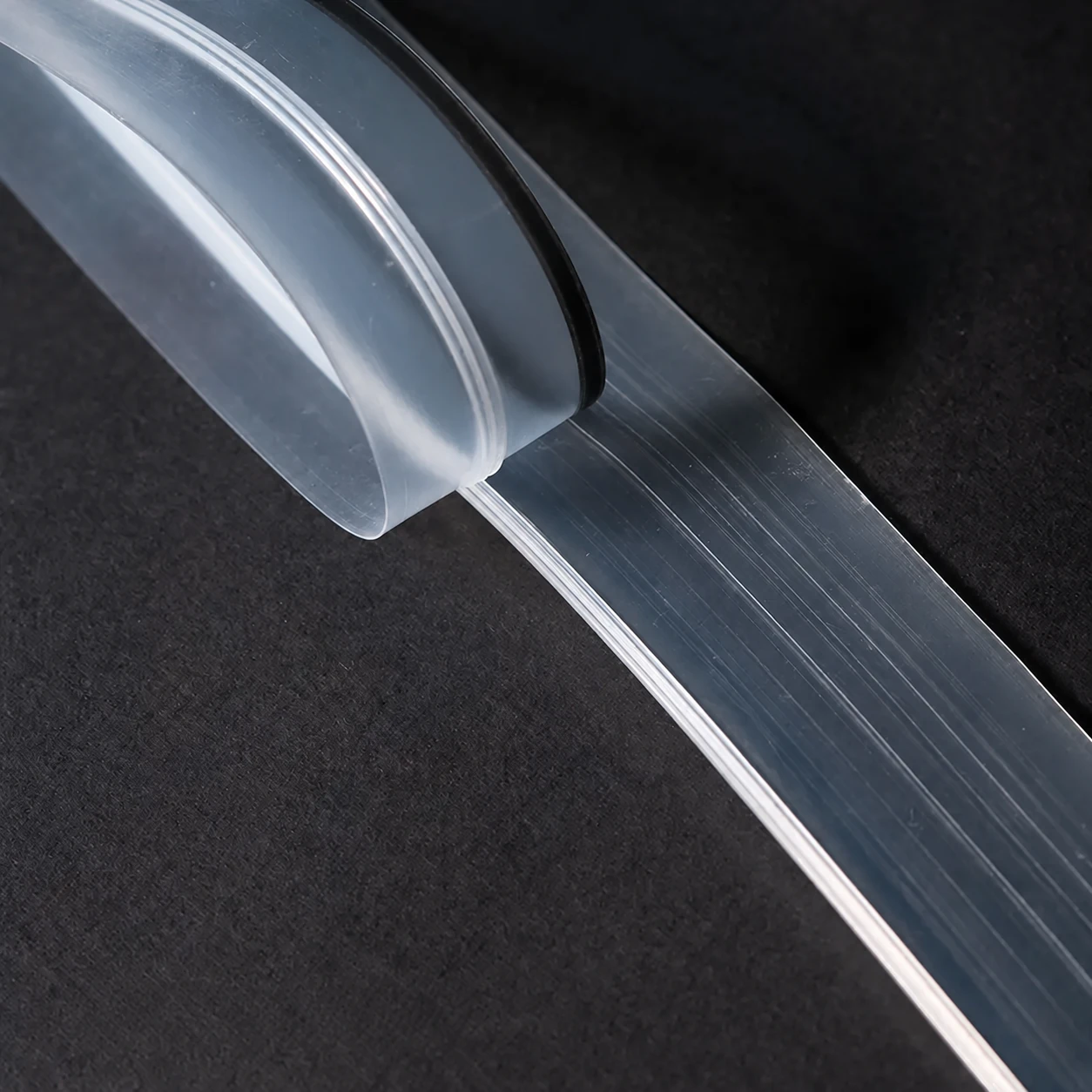
PE, PP and other zipper resins are selected around the sealant layer, sealing process and intended use. Do not select a resin only from its appearance or assume every material in a zipper supplier’s catalogue is suitable for a food pouch. Request applicable contact documentation for the actual proposed construction.
For a mono-material or recycle-ready project, review the complete package, including films, barrier layers, zipper and any slider. A compatible zipper material alone does not establish recyclability in the customer’s market.
How to choose a zipper for your product
Product weight alone does not determine pouch size. Bulk volume, shape, scoop access, headspace and the bottom gusset all affect fit. See our packaging bag size guide and test a filled sample.
How to test a zipper pouch before ordering
- Fill with your real product. Check access, fill volume and whether powder or crumbs contaminate the track.
- Check the first opening. The tear notch, opening strip, zipper and heat-seal position should work together; retain enough clean area for your sealing equipment.
- Repeat normal use. Ask representative users to open, dispense and reclose the pouch across several cycles; inspect the full width and zipper ends.
- Check the complete package. Review zipper-to-film attachment, side seals, material and barrier requirements. Agree any leak, compression or transit test methods with your supplier; results apply only to the tested configuration.
- Test your filling line. Confirm whether your premade pouch is supplied open for your intended filling and heat-sealing process, and trial it on your actual equipment.
Get custom stand-up zipper bags for your brand
Runlong Pack manufactures custom flexible pouches for food and other suitable products. Discuss your pouch format, size, film structure, printing and desired reclosure as one project. Options such as windows, tear notches and particular zipper profiles depend on the specification and must be confirmed before production.
For a useful recommendation and quotation, send us:
- Your product and target market, with approximate fill weight and bulk volume.
- Preferred pouch width, height and bottom gusset, or a current sample.
- Whether you need a standard, five-track, slider or powder-friendly zipper; attach a photo or sample if available.
- Your filling and sealing method, target quantity per design and number of designs.
- Artwork, a logo and your ideas, plus any product-contact documentation or test requirements.
For useful comparison pricing, request the same pouch size, film and artwork with two suitable closure options. This shows the cost and handling difference without changing every other variable. Need help starting with a size or closure? An existing pouch or a product sample can make the discussion more precise. Explore our custom stand-up pouches, or send your project details for a recommendation.
Frequently asked questions about zipper pouches
What is a five-track zipper on a stand-up pouch?
A five-track zipper is a press-to-close profile with five interlocking channels. The exact design and performance depend on the selected closure and finished pouch. Confirm the profile using a supplier drawing or sample.
Is a five-track zipper automatically airtight or leakproof?
No. Track count alone does not establish airtightness or leakproof performance. The zipper profile, complete closure, end seals, film, product contamination and test method all matter.
Which zipper works best for protein powder or other fine powders?
Start by comparing a suitable particle-resistant or hook-to-hook closure with a standard press-to-close profile. Test your actual powder, filling method and repeated opening; the exact options must be confirmed for the pouch.
What is the difference between a slider and a press-to-close zipper?
A standard press-to-close profile is aligned and pressed closed along the opening. A slider uses a moving part to guide compatible profiles together. Choose by opening width, handling preference, construction and cost, then test the finished pouch.
Does a resealable zipper replace the initial heat seal?
Generally no. A common top-fill pouch is heat sealed above the zipper after filling. The zipper is intended for reclosure after that initial seal is opened. Confirm the actual construction and filling process.
Can I add a zipper and a clear window to a custom stand-up pouch?
A zipper and a window can be discussed together for a suitable pouch. Confirm the complete material structure, required barrier, window position, dimensions and intended product before approving the design.
Can Runlong Pack make a custom printed stand-up pouch with my preferred zipper?
Runlong Pack makes custom flexible pouches and can review your product, size, printing and desired closure. Specific zipper types, samples, material compatibility and production requirements are confirmed for each project.
Is a five-track zipper child resistant?
Not automatically. A child-resistant claim requires a suitable closure and documentation for the complete package under the applicable requirements. Track count alone is not proof.
What is the difference between a double-track and a triple-track zipper?
A double-track profile has two interlocking channel sets, while a triple-track profile has three. The exact geometry determines opening and closing behavior. Compare samples for your product rather than assuming track count alone proves strength or leak performance.
What is the difference between a flange zipper and a string zipper?
A flange zipper has extended sealing strips beside the locking profile; a string-style zipper is narrower. These terms describe attachment geometry, while single-track or multi-track describes the locking configuration. Both must match the pouch film and insertion process.
Is a pocket or front zipper the same as a five-track zipper?
No. Pocket or front zipper describes how the closure is accessed or placed on the pouch. Five-track describes the selected interlocking profile. Confirm the full drawing, first-opening feature and filling route for the proposed package.
Can I choose a zipper by its color or closing sound?
Color and audible or tactile feedback can help users recognize and operate a closure, but neither confirms that it is fully closed or suitable for the product. Check the entire zipper and test representative filled pouches.
Is a hook-to-hook zipper suitable for powder pouches?
It can be a useful option for powder pouches opened repeatedly. Some hook-to-hook profiles tolerate a limited amount of powder between their microhooks, but performance varies. Test the selected closure with your actual powder and complete pouch, and use the appropriate initial heat seal.
Get a zipper pouch matched to your product
Tell us what you pack and how customers will use it. We can discuss the pouch size, printing, available zipper options and sample requirements for your project.
Related packaging guides
Profile images are authorized supplier references with branding removed using AI-assisted editing. They illustrate options for discussion; exact profile geometry is confirmed by drawing and physical sample.
Reference sources: Fresh-Lock closure profiles; particle-resistant closures; IMPAK zipper glossary. References describe suppliers’ own products; they do not establish Runlong Pack product specifications.