

How to Compare Flexible Packaging Quotes on the Same Specification
A practical buying guide with a checklist you can use in your next packaging discussion.
Discuss Your Packaging ProjectQuick Answer
To compare flexible packaging quotes, first put both suppliers on the same approved specification and quantity basis. Match format, dimensions, laminate, thickness, accessories, artwork count and testing requirements, then separate unit price from setup, freight and delivery terms. An unexplained price gap is a reason to clarify the scope—not proof that one supplier is better or overpriced.
Quick Facts
| Decision point | What to confirm |
|---|---|
| Compare first | Technical scope, artwork count and quantity by SKU |
| Then normalize | One-time charges, freight, duties and named delivery terms |
| Keep separate | Quoted facts, buyer estimates and exclusions |
| Decision output | A completed comparison sheet and a list of unresolved differences |
Freeze a reference specification before comparing price
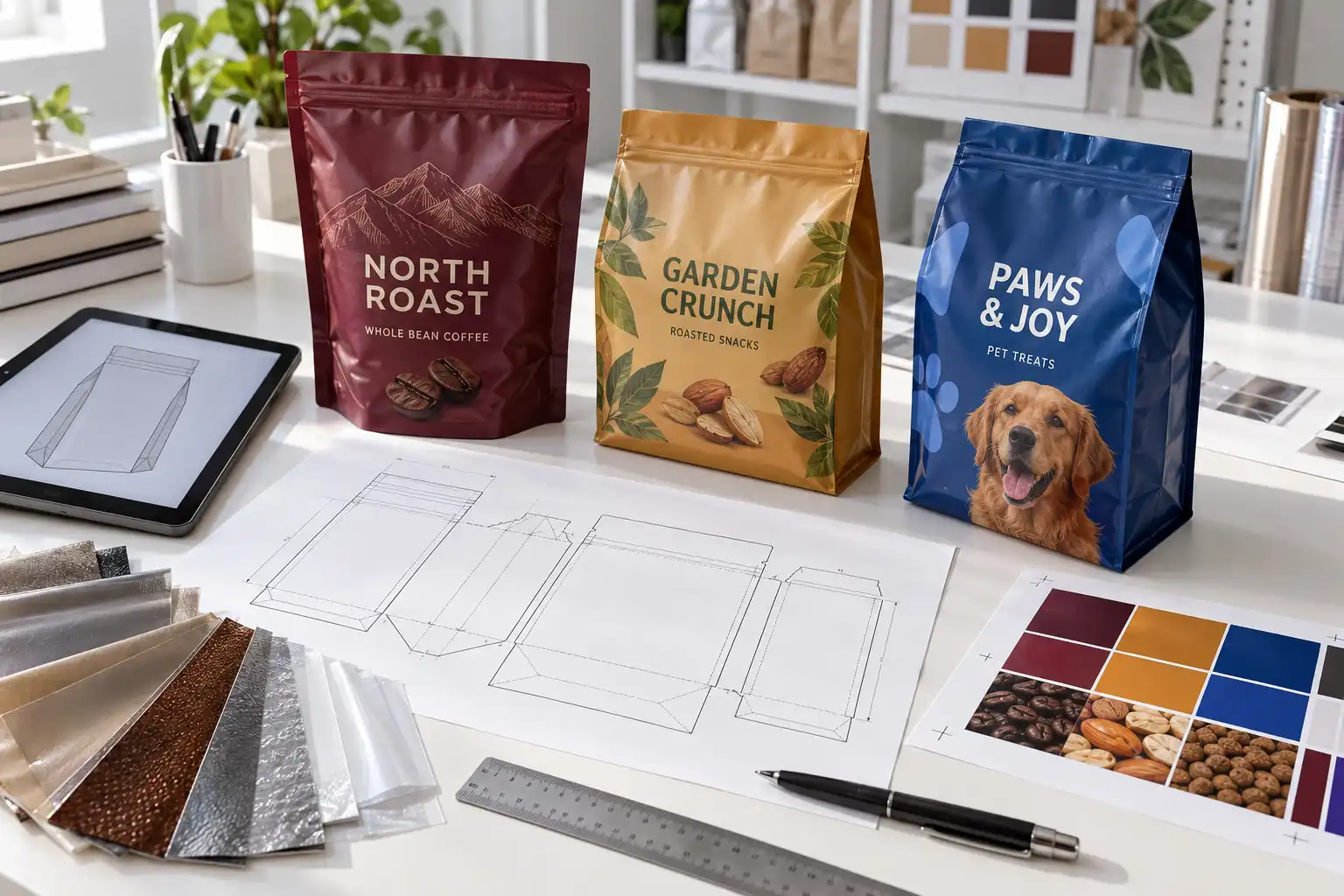
“Stand-up pouch, 500 g, printed” is not a complete common specification. Fill capacity does not uniquely define dimensions, and a foil-looking surface does not identify the laminate. Write a numbered specification revision and ask each supplier to quote that revision or explicitly list deviations.
Include the actual product, packing process, intended storage, shelf life and destination market. These establish the performance context. Runlong uses food-grade raw materials and no recycled, secondary or scrap material in its flexible packaging production; any required food-contact documents must still match the final construction and use conditions.
If a supplier recommends a different structure, compare it as an alternative rather than silently placing its price next to the base specification. The material-structure guide helps explain what should be described beyond a generic material name.
Copy the like-for-like quotation worksheet
| Comparison field | Your approved requirement | Supplier A / Supplier B |
|---|---|---|
| Bag or film format | ________________ | Same / deviation: __________ |
| Dimensions and gusset convention | ________________ | Same / deviation: __________ |
| Laminate layer structure and thickness | ________________ | Same / deviation: __________ |
| Required barrier / process performance | ________________ | Evidence / conditions: ______ |
| Valve, zipper, spout, cap and other features | ________________ | Included / excluded: ______ |
| Print process, finish and colour expectations | ________________ | Same / deviation: __________ |
| Quantity per size and artwork | ________________ | Per-SKU quantity: __________ |
| Cylinder, tooling, artwork or setup fees | ________________ | One-time / repeat: _________ |
| Samples and testing scope | ________________ | Included / excluded: ______ |
| Unit of sale and quantity tolerance | ________________ | Pieces / kg / metres: ______ |
| Packing, carton and pallet details | ________________ | Included / excluded: ______ |
| Incoterm, named place and delivery scope | ________________ | Term / place: _____________ |
| Production and transport timing | ________________ | Separate durations: _______ |
| Currency, payment and validity | ________________ | Confirmed terms: __________ |
A missing answer remains an open difference. Do not fill a blank with “same” just because the price sheet looks similar. Send the completed comparison back to both suppliers and ask them to confirm the normalized scope.
Check the details that often hide inside a unit price
A quoted size may use a different gusset notation or refer to a different usable area. A stated thickness may be nominal, total laminate thickness or a layer thickness. Request a drawing and an unambiguous structure. Changing accessories, seal construction, finish or printing process can also alter cost and suitability.
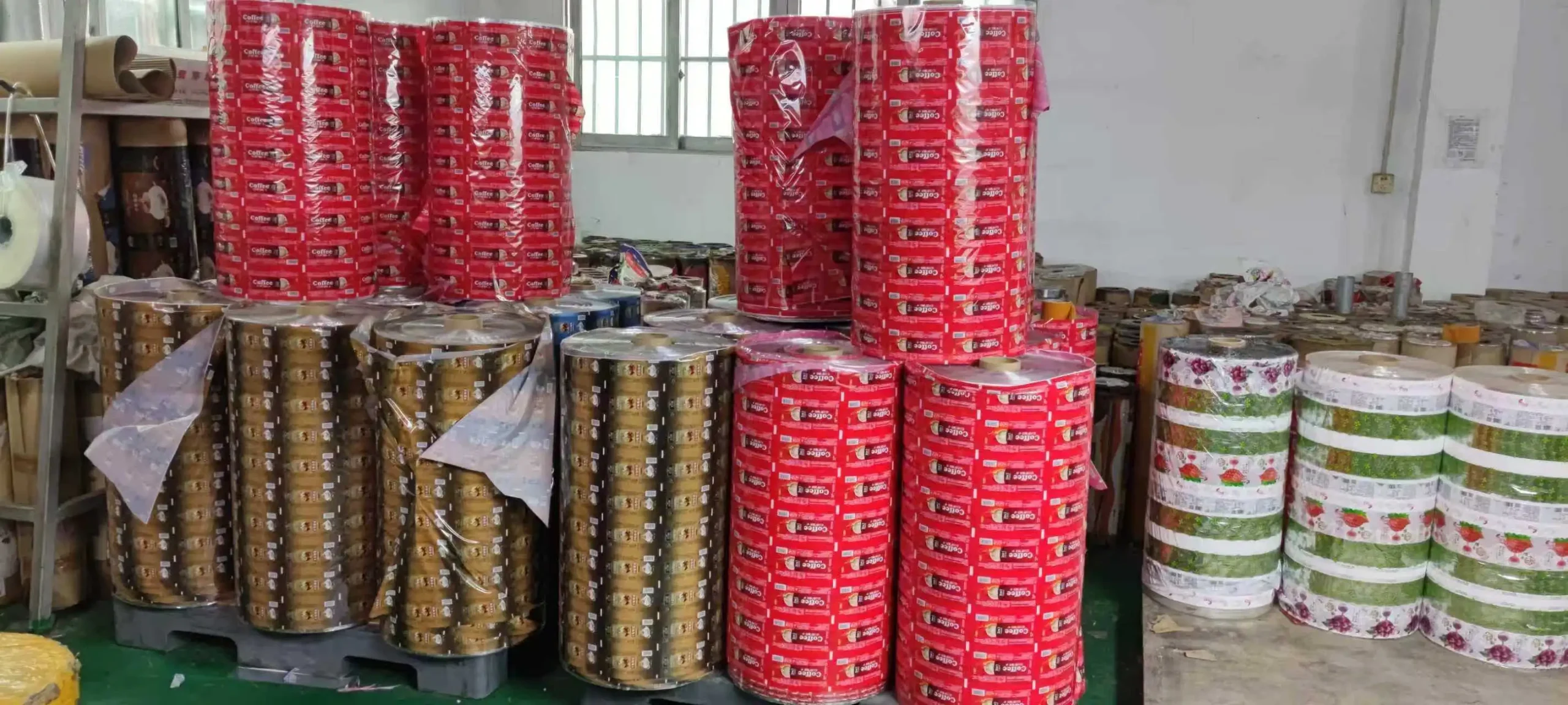
For printed film, confirm whether pricing is per kilogram, metre or another basis, and whether it refers to net film. Compare grammage, web width and repeat before estimating cost per pack. For premade bags, confirm the piece count and delivered-quantity tolerance. Avoid comparing a theoretical film yield directly with a count of finished pouches without accounting for conversion and line losses.
Check if samples represent the proposed production route. A reference sample, a digital print proof and a machine-test roll answer different questions. See sample scope and costs before treating “sample included” as equivalent across quotations.
Normalize total acquisition cost transparently
Build a line-by-line total: packaging value + applicable setup/tooling + agreed sample/testing costs + export or handling charges not already included + freight + insurance where applicable + duties/taxes and clearance where applicable + delivery to the agreed location. Avoid adding an item twice when the delivery term already includes it.
| Cost line | Supplier A | Supplier B | Evidence / assumption |
|---|---|---|---|
| Packaging at matched quantity | _____ | _____ | Quoted |
| One-time setup and tooling | _____ | _____ | Quoted |
| Freight and delivery additions | _____ | _____ | Quote or dated estimate |
| Import / clearance / tax treatment | _____ | _____ | Broker-confirmed basis |
| Other agreed charges | _____ | _____ | Specify |
| Normalized total | _____ | _____ | Same currency and scope |
| Comparable usable units | _____ | _____ | Explain quantity / yield basis |
| Cost per comparable unit | _____ | _____ | Total ÷ units |
Separate confirmed charges from estimates, and state exchange-rate assumptions. Taxes recoverable by your business should be treated consistently with advice from your finance team. This article does not supply a tariff rate or a universal import-cost percentage.
Do not compare EXW with DDP as if the scope were identical
Delivery terms allocate different responsibilities and costs. Record the named place or port and the exact included services. Clarify unloading, destination charges, customs handling and tax treatment where relevant. A short label such as “shipping included” is insufficient for a cross-border comparison.
Runlong can assess EXW, FOB, CIF, DAP and DDP options according to the route and order. DDP is not available or appropriate for every destination. Verify the actual proposal with the logistics provider rather than assuming one delivery term removes every import obligation.
For a broader location decision, read China versus USA packaging sourcing. Keep country preference separate from whether two offers actually cover the same job.
Compare repeat orders and timing, not only the first order
Ask which charges recur if artwork, size or material changes. For gravure, confirm cylinder availability, storage arrangements and the effect of a design revision. For multi-SKU orders, ask whether each artwork has separate setup and minimum quantities. A total quantity does not automatically create one print job.
Typical Runlong digital production is around 8–10 working days. Gravure cylinder preparation is around 7–9 working days, followed by around 15–20 days of production after cylinder completion. Final specification/artwork approval and the required payment are prerequisites, and transport is additional. Compare suppliers from the same starting milestone, not an unspecified “delivery time”.
Record quote expiry. Runlong quotations are typically valid for 15 days, or around 7 days when material prices are particularly volatile, subject to the actual quotation. Do not compare an expired price with a current binding offer as though both remain available.
Use a decision note before approving the purchase
Summarize the matched specification, accepted deviations, normalized cost, trial outcome and unresolved risks. The lowest comparable price may still not be the best purchase if critical performance or delivery evidence is missing. Conversely, a higher price does not prove better performance without evidence.
- Approve the exact artwork and technical specification revision.
- Confirm quantities by SKU and allowed delivery variation.
- Attach the agreed sample or trial acceptance record.
- Record the delivery term, named place, payment and current validity.
- Resolve material, process or compliance gaps before the order is released.
Use flexible packaging cost drivers to discuss alternatives openly. If a cheaper option changes a requirement, document the change and validate it rather than presenting it as the same packaging.
Frequently Asked Questions
Why do two quotes for the same capacity differ?
Capacity does not fully specify a package. Dimensions, construction, accessories, printing, SKU quantities and delivery scope may differ.
Should I compare the bag unit price or the total?
Compare both, but normalize technical scope and total acquisition cost first. Keep setup and delivery charges visible.
Is the cheapest quote necessarily lower quality?
No. A price alone does not prove quality. Check the specification, evidence, exclusions and commercial terms before drawing a conclusion.
Can I compare a film kilogram price with a premade bag price?
Only after converting to a comparable usable-pack basis with confirmed film specifications and realistic process losses, while including the costs of forming and packing.
Start With a Clear Packaging Brief
Product + format/drawing + laminate/performance needs + dimensions + accessories + quantity per SKU + artwork + destination + delivery term + required date
Get a Quote