

What Buyers Should Know Before Comparing Packaging Costs
Custom flexible packaging does not have one universal price per bag. Quantity, dimensions, material structure, printing method, number of designs, accessories and production format all affect the final quotation.
Two bags that look almost identical can have very different costs. Compare the total project cost, including film consumption, printing setup, quantity per design and functional features, rather than comparing a single unit-price number.
Digital Printing Can Start Small
Eligible custom pouch projects can start from approximately 100 pieces without a gravure cylinder fee.
Practical recommended range: 1,000–3,000 pcsStrong Digital Use Case
This range is often a better fit for new products, smaller custom production and projects with multiple designs or frequent artwork changes.
No gravure cylinder setupStart Comparing Digital & Gravure
Around this range, some projects reach a point where the total cost of a digital run should be compared with a larger gravure production run.
Not a universal crossover pointTypical Gravure Starting Point
Many standard premade pouch projects generally start around 10,000 pieces with gravure printing.
Size and film usage can change the MOQGravure Cylinder Cost
Gravure requires printing cylinders. The cylinder charge creates an upfront setup cost that should be included when comparing the first run.
Actual cost depends on the cylinder specificationStronger Gravure Economics
For stable repeat specifications, larger production runs can spread cylinder and setup costs across more finished pouches.
Particularly relevant for repeat-volume programsRollstock Cost Works Differently From Premade Pouches
For printed rollstock, we recommend a commercial order around 300 kg or more. Small digital trial quantities around 10 kg may be evaluated, but the production and setup cost is spread over very little film, so the cost per finished pack can become relatively high.
One MOQ Rule Does Not Fit Every Packaging Format
Digital printing is generally recommended around 1,000–2,000 pieces. At around 3,000 pieces or more, compare gravure; in many projects, approximately 10,000 gravure-printed bags can be more economical.
Because each pack uses relatively little film, gravure quantities are normally higher. Around 30,000 pieces or more is generally the more practical gravure range.
Custom production starts at approximately 25,000 pieces, with around 65,000 pieces or more recommended. Digital printing and custom printed proof pouches are not available.
What Changes Your Packaging Quote Most?
Printing Cost Is Only Part of the Production Plan
Production timing is confirmed after artwork, specifications and order arrangements are approved. Shipping time is additional.
Send your pouch dimensions, quantity, material requirement, number of designs and artwork. For rollstock, also send your film width, repeat length and machine specifications.
* Quantity thresholds, cylinder costs and timing shown above are practical reference points rather than fixed quotation rules. Final pricing depends on dimensions, material structure, printing specifications, accessories, number of designs, filling format and total material usage.
Flexible Packaging Cost Comparison by Printing Method
The lowest unit price does not always come from the same printing method. Compare setup cost, production quantity and project stability before choosing digital, stock pouch overprinting or gravure printing.
| Printing Method | Practical Quantity | Upfront Setup | Cost Behavior | Best For / Buyer Guidance |
|---|---|---|---|---|
| Digital Printing No plate fee | From ~100 pcs Recommended: 1,000–3,000 pcs | Low No printing cylinders required | Low setup burden makes digital practical for smaller quantities, but very small runs normally have a higher unit cost. Unit economics improve as quantity increases within the practical digital range. | Startups, new products, multiple SKUs, market testing and projects where artwork changes frequently. Typical production lead time: 8–10 working days. |
| Stock Pouch + 1-Color Print | From ~200 pcs Recommended: 1,000+ pcs | Low Uses existing stock pouch sizes | Simple stock pouch overprinting can be economical for basic branding. Below approximately 1,000 pcs, the total price difference may be relatively small. | Simple logos, one-color designs and projects that can use an available stock pouch size. Compare as volume grows, compare with digital and gravure rather than assuming stock overprinting remains the lowest-cost option. |
| Gravure Printing Volume production | From ~10,000 pcs Higher stable volumes often improve unit economics | Higher Cylinders approximately USD 30–80 per color | Higher upfront setup cost can be spread across a larger number of finished bags. Unit economics generally become more attractive as stable production volume increases. | Stable SKUs, repeat orders and medium-to-high-volume production. Typical production lead time: 7–9 working days for cylinders, then 15–20 days for production. |
| Compare as volume grows | Comparison Point | Depends on method selected. | Digital, stock pouch overprinting and gravure can produce very different total-cost results depending on pouch size, artwork and SKU count. | Ask for more than one production option instead of comparing unit price alone. This is a useful quantity for reviewing whether the current printing method still makes sense. |
| Around 10,000 pcs | Gravure Evaluation Point | Gravure requires cylinder setup. | For a stable SKU and suitable pouch specification, the total cost of continuing with digital may begin to approach or exceed a gravure option. | Evaluate gravure when the artwork is stable, the number of colors is reasonable and repeat orders are expected. Final decision should be based on a real project quotation. |
| 40,000+ pcs | Larger Repeat Volume | Gravure setup is distributed across substantially more finished units. | Larger stable production runs generally provide a stronger opportunity to reduce the unit impact of gravure setup costs. | Particularly relevant for established products with stable artwork and repeat purchasing. Compare total annual or repeat-order economics, not only the first order. |
A Practical Quantity-Based Cost Rule
A 5,000-piece project with several SKUs may have a completely different cost structure from one 5,000-piece design. Bag size, material structure, print colors, accessories, artwork stability and repeat-order expectations must also be considered.
Send your pouch dimensions, quantity, number of SKUs, material requirement and artwork. We can compare the practical digital and gravure production options for the same project.
* The quantities and cylinder costs above are practical production reference points, not fixed pricing rules. Final packaging cost depends on bag dimensions, material structure, printing specifications, accessories, SKU count, artwork and total material usage.
If you are comparing packaging suppliers, custom flexible packaging cost can be difficult to understand because two bags that look similar may have very different quotations.
The final price is rarely determined by bag size alone. Order quantity, material structure, printing method, number of SKUs, pouch features, production setup, sampling requirements and freight can all change the total project cost.
This guide explains the eight most important cost factors and shows how each specification changes the total quotation structure.
Key takeaway: the most useful quotation is not necessarily the lowest unit price. Buyers should compare the complete specification, total order structure and one-time setup costs before deciding which offer is actually more economical.
1. Order Quantity Has a Major Effect on Custom Flexible Packaging Cost
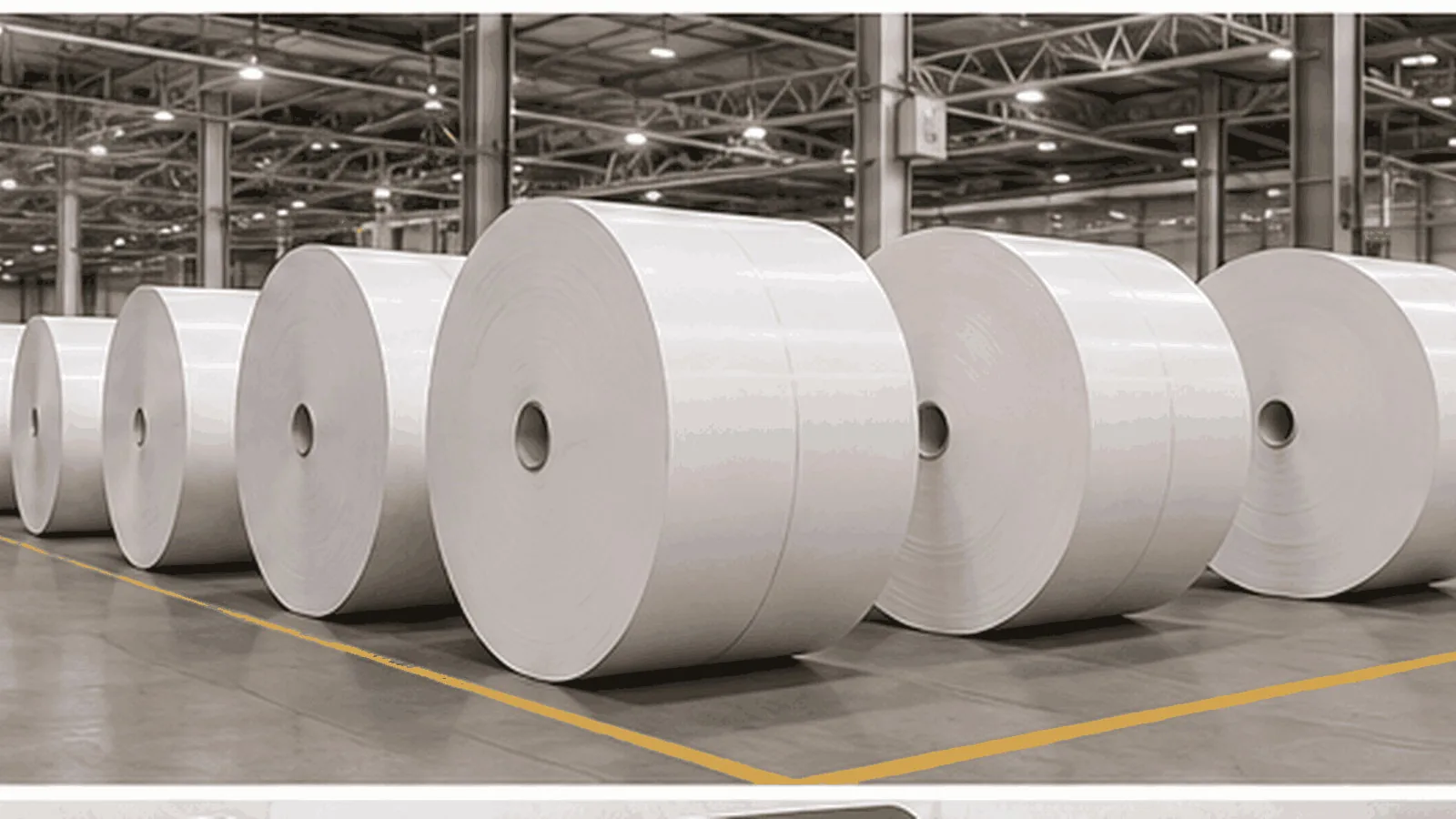
Order quantity is one of the strongest drivers of unit cost because printing, machine setup, material preparation and converting costs are spread across the total production quantity.
This is why a small custom order can have a much higher unit price than a larger production run, even when the pouch specification is exactly the same.
Compare total cost at more than one quantity
Ask for project-specific comparisons at realistic order quantities. A larger quantity can spread setup and converting costs across more packages, but the result depends on the actual pouch, material, printing method and SKU plan.
2. Bag Size Affects Film Consumption, but Not Always MOQ in the Way Buyers Expect
A larger pouch normally uses more film per finished piece, which can increase material consumption and therefore unit cost.
But bag size and minimum order quantity do not always move in the same direction.
A smaller bag consumes less film per piece. In some projects, more finished pieces may therefore be required to reach the minimum practical film usage for production.
A larger bag consumes more film per piece and may reach the same material requirement with fewer finished bags.
This means buyers should avoid assuming that a larger pouch always has a higher piece-based MOQ.
Capacity can also change reinforcement requirements
Larger capacities use more film and can require different strength, puncture, carrying or handling performance. Compare capacity together with the real filled weight, material functions and transport conditions rather than applying one price ratio to every size.
3. Material Structure and Barrier Requirements Can Change the Cost Significantly
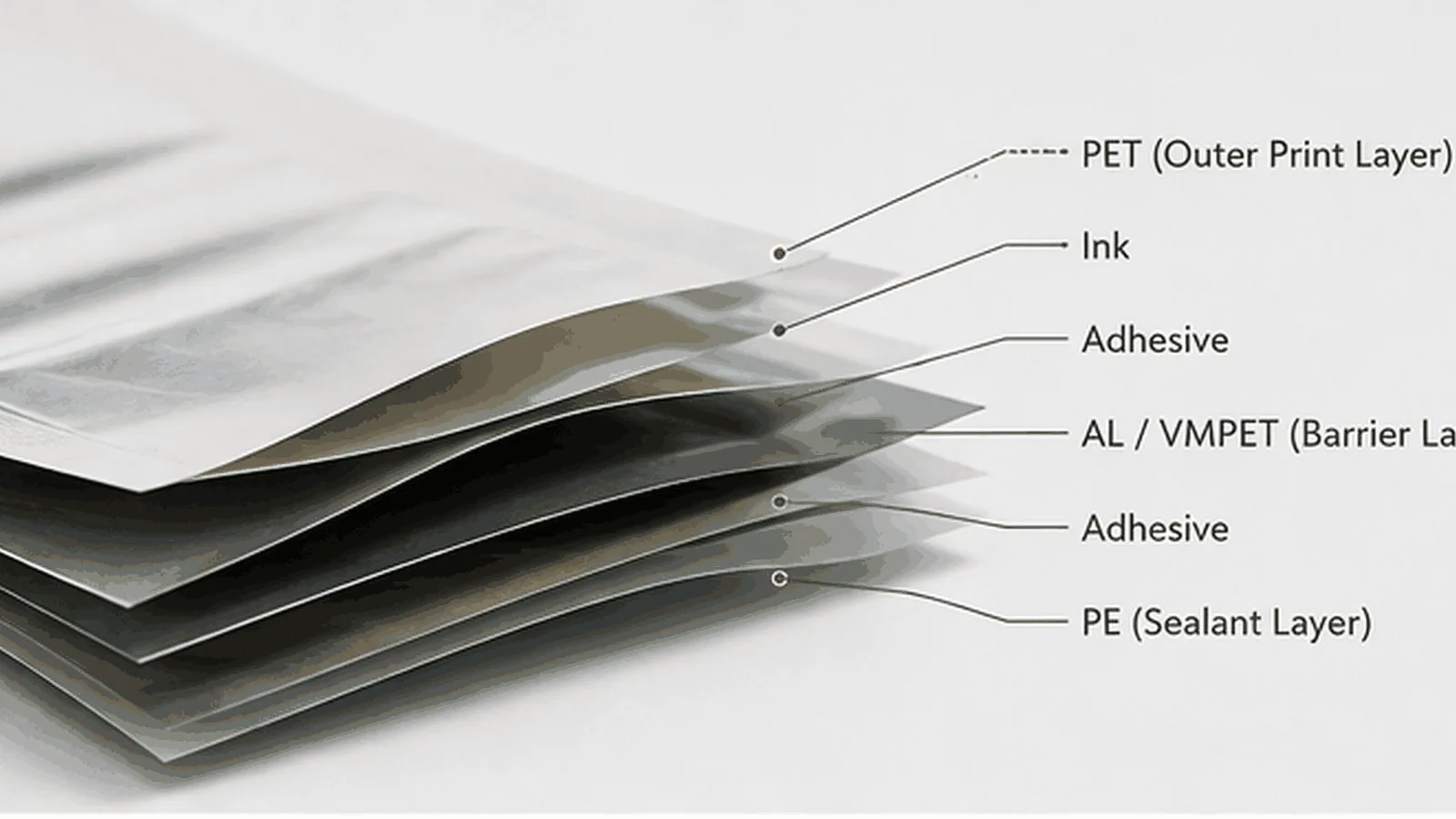
Flexible packaging is normally made from laminated or multilayer structures selected according to the packed product and required performance.
Different films provide different functions such as:
- oxygen barrier;
- moisture barrier;
- light protection;
- puncture resistance;
- sealability;
- heat resistance;
- clarity;
- product compatibility.
A simple dry-food pouch and a high-barrier or high-temperature cooking pouch should therefore not be compared only by size.
Common standard materials usually have lower practical production minimums because the films are used more frequently. Special films, uncommon structures and application-specific materials can require higher minimum material purchases.
Material selection should also be considered together with the project’s packaging compliance requirements, especially for food-contact and other sensitive applications.
Compare material options by required performance
Paper-look exteriors, transparent films, metallized layers, foil and other structures have different material and production costs. Compare only options that can meet the product, shelf-life, filling and market requirements.
4. Printing Method Can Change Both Unit Cost and Total Project Cost
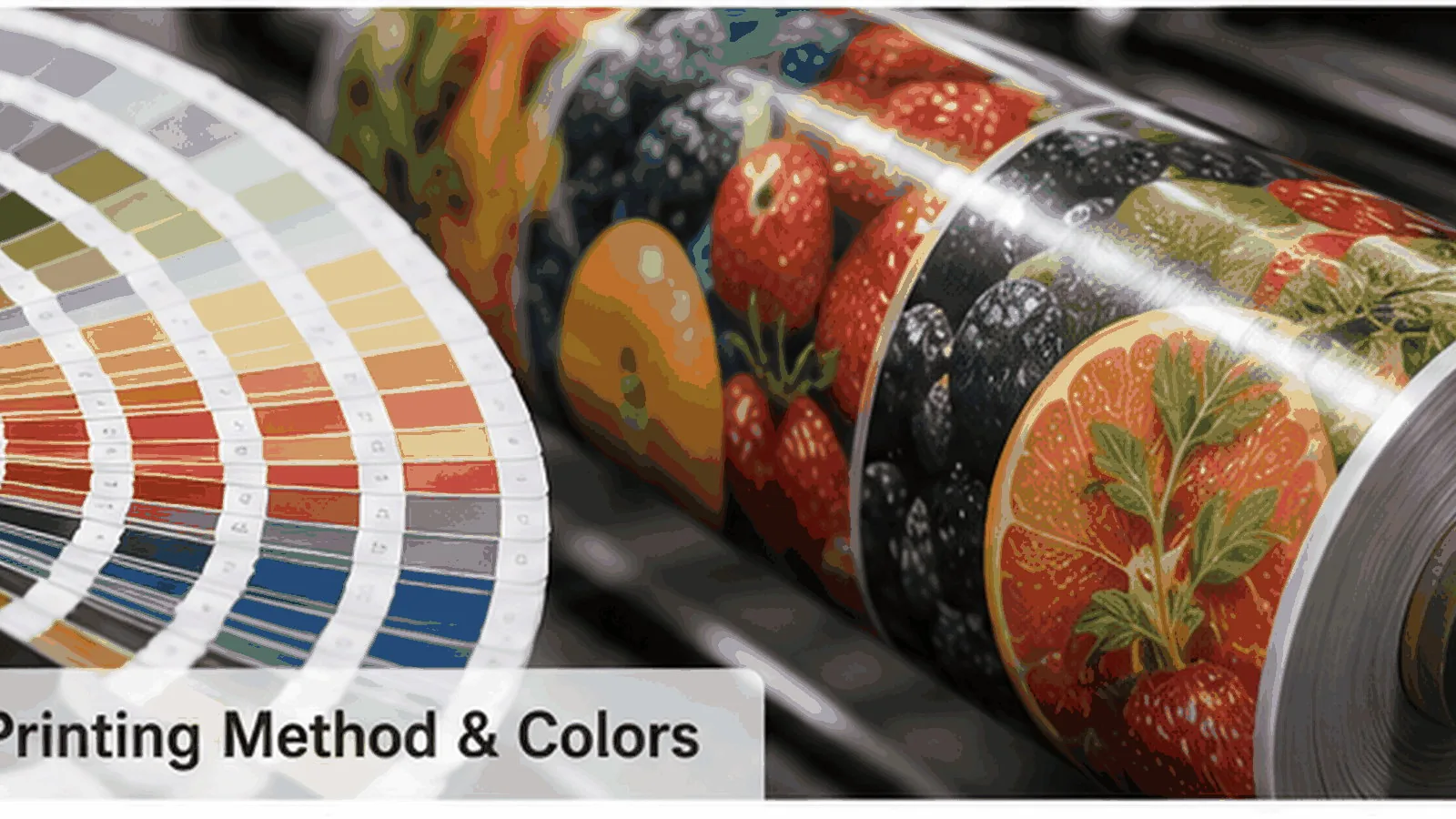
Printing method is another major factor in custom flexible packaging cost.
Digital printing and gravure printing have very different cost structures.
Digital printing
For suitable projects, digital printing can start from around 100 pieces and is often more practical around 1,000–3,000 pieces when buyers want better cost efficiency.
Digital printing does not require gravure cylinders, which makes it especially useful for:
- small production runs;
- new product launches;
- multiple SKUs;
- frequent artwork changes;
- market testing.
Gravure printing
For suitable products such as coffee bags, gravure production can start around 10,000 pieces, while approximately 40,000 pieces or more often provides stronger production economics.
Gravure requires printing cylinders. Runlong Pack’s typical historical cylinder reference is approximately USD 30–80 per color, depending on the project.
For a detailed comparison of the two methods, see our guide to digital printing vs gravure printing for flexible packaging.
Compare the complete digital and gravure project cost
Digital avoids gravure cylinders and is often suitable for smaller or changing runs. Gravure generally starts around 10,000 pieces for normal custom pouches and can become more economical as stable volume increases. Include cylinder cost, every SKU and the same finished specification in the comparison.
5. SKU Count Can Change the Economics Even When Total Quantity Is the Same
Buyers should always separate three numbers:
- total order quantity;
- number of SKUs or artworks;
- quantity per SKU.
For example:
30,000 pieces of one design is not the same production structure as 30,000 pieces divided into ten designs of 3,000 pieces each.
More SKUs can create additional artwork handling, printing setup and production complexity.
SKU structure is particularly important when comparing digital and gravure printing. Digital printing can be attractive for multiple low-volume designs because no gravure cylinders are needed, while gravure becomes stronger when individual SKUs have sufficient stable volume.
6. Pouch Features and Accessories Add Material and Production Steps
Two pouches with the same dimensions and material may still have different prices if one includes additional features.
Examples include:
- resealable zipper;
- one-way degassing valve;
- spout;
- clear window;
- laser score or easy-open feature;
- special gusset structure;
- matte or gloss finishing;
- special-shaped pouch construction.
These features can add component cost, material usage or additional converting operations.
A quotation should therefore clearly state which accessories and finishing requirements are included.
7. Samples, Testing and Approval Can Affect Pre-Production Cost
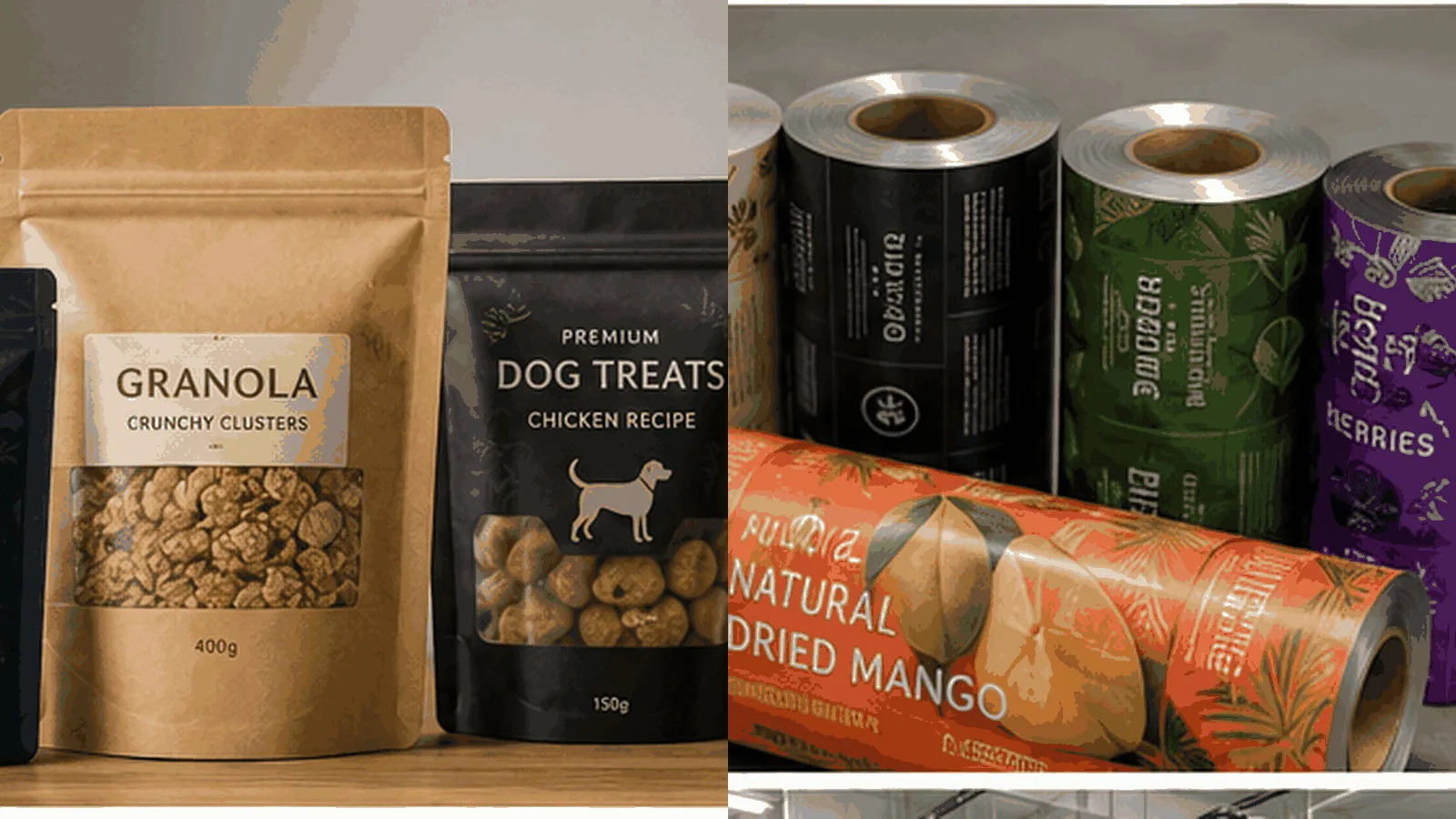
Sampling is another area where buyers sometimes compare prices incorrectly.
A stock sample, custom finished sample, printed film reference, 3D mockup and machine-test roll are not equivalent products. Each is intended to confirm a different type of risk.
When suitable stock samples are available, Runlong Pack can provide them free of charge while the buyer pays shipping.
Small custom sample charges under approximately USD 100, typically covering one or two samples, can usually be credited or deducted from the subsequent mass-production order if the customer proceeds with the bulk order. The exact arrangement should be confirmed for the individual project.
For a detailed explanation, see custom packaging sample cost before mass production.
Machine-test rollstock is different from ordinary sampling
For buyers using automated packing equipment, machine compatibility can be more important than receiving a finished pouch sample.
A small machine-test roll may have a high effective cost because material preparation and production setup are required even for a small test quantity.
This is particularly relevant for custom printed rollstock film.
8. Freight and Delivery Terms Can Change the Final Landed Cost
EXW unit price is not the same as landed packaging cost.
Depending on the quotation, buyers may also need to consider:
- international freight;
- local delivery;
- customs clearance;
- import duties and taxes;
- carton volume;
- shipment method;
- delivery terms.
This is especially important for low-value but bulky packaging products, where freight can materially affect the final cost per bag.
When comparing suppliers, make sure the quotations use comparable delivery terms.
How to Use a Packaging Cost Comparison
- Compare the same pouch dimensions, material structure and thickness.
- Use the same quantity per SKU and the same printing method.
- Separate one-time setup costs such as applicable gravure cylinders.
- Compare the same trade term and identify whether freight is included.
- Treat every quotation as project-specific and time-limited.
How to Compare Flexible Packaging Quotations from Different Suppliers
A quotation with a lower unit price is not automatically the better offer.
Before comparing prices, confirm that each supplier is quoting the same:
- bag dimensions;
- material structure;
- film thickness;
- printing method;
- number of colors;
- quantity per SKU;
- zipper, valve, spout or other accessories;
- surface finish;
- cylinder or setup fees;
- packing method;
- delivery terms;
- freight inclusion or exclusion.
If one quotation uses a lower-barrier material, different thickness or different quantity structure, comparing only the unit price can be misleading.
How to Get a More Accurate Custom Flexible Packaging Quote
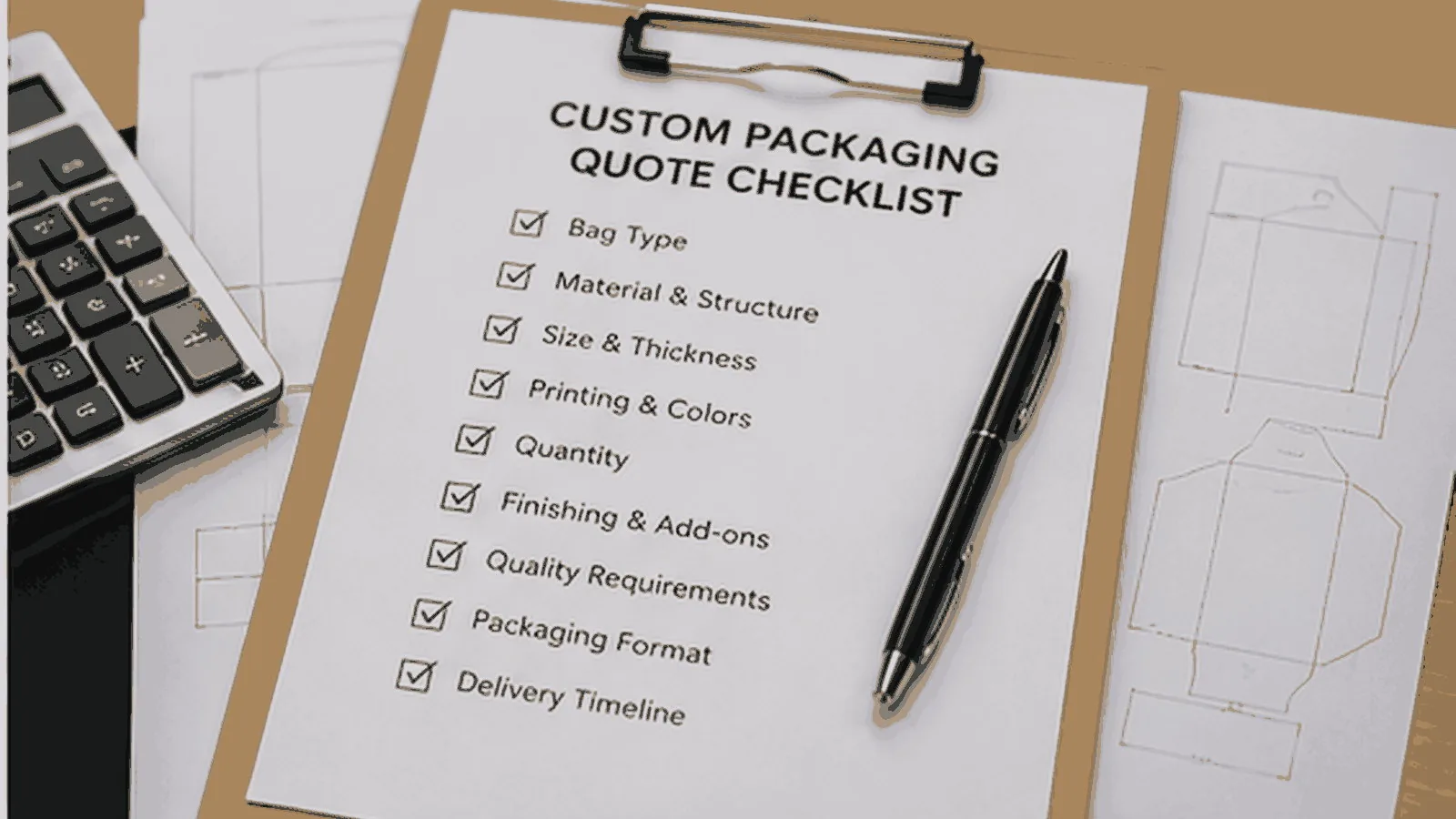
The fastest way to get a useful quotation is to provide enough information for the supplier to calculate the actual production structure.
Prepare the following information when possible:
- product being packed;
- bag type or rollstock format;
- finished dimensions;
- material or barrier requirement, if known;
- required quantity;
- number of SKUs or artwork versions;
- quantity per SKU;
- printing requirements;
- zipper, valve, spout, window or other accessories;
- artwork file, if available;
- shipping destination.
Get a Quote Built Around Your Actual Specification
If you already have a pouch, artwork, competitor sample or target specification, send it to Runlong Pack together with your required quantity and number of designs.
Instead of giving only a generic unit price, we can evaluate the project structure and help you compare practical options such as:
- digital vs gravure printing;
- different order quantities;
- material alternatives;
- one SKU vs multiple SKUs;
- premade pouch vs printed rollstock;
- sample or pre-production approval options.
You do not need to know the exact film structure before contacting us. Tell us what product you are packing, the package size, expected quantity and what performance you need. We can use that information to discuss a suitable quotation structure.
Send Your Packaging Specification and Request a Cost Comparison
If you are comparing an existing supplier quotation, you can also send the specification without confidential supplier information. We can help identify which cost factors may be creating the difference.
FAQ
How much does custom flexible packaging cost?
There is no universal unit price. Cost depends on bag dimensions, material structure, order quantity, printing method, number of SKUs, accessories, sampling requirements and freight.
Why are small custom packaging orders expensive?
Small orders still require material preparation, machine setup, printing preparation and converting work. These fixed production costs are divided across fewer finished bags, which can increase unit cost.
Does a larger bag always have a higher MOQ?
No. Larger bags use more film per piece and can sometimes reach the minimum practical film usage with fewer finished pieces. Small bags may require a higher piece quantity because each bag consumes less film.
Is digital printing always cheaper for small orders?
Digital printing avoids gravure cylinder fees and is often useful for small quantities and multiple SKUs. However, as quantity increases, gravure can become more economical. The correct comparison should include total production cost and cylinder fees.
How much do gravure printing cylinders cost?
Runlong Pack’s typical historical reference is approximately USD 30–80 per color. Actual cylinder cost depends on the project, bag size and printing requirements.
Does having more SKUs increase packaging cost?
It can. The same total quantity divided among multiple artwork versions creates a different production structure from one large-volume design. Printing method, setup and quantity per SKU should all be considered.
Can I get an exact quotation without knowing the material structure?
You can begin the quotation process without knowing the exact laminate. Provide the packed product, bag type, size, quantity, number of designs, required features and shipping destination. Material options can then be discussed according to the application.