

Coffee Bag Valve, Zipper & Pouch Guide
Choose the pouch format and functional features around coffee freshness, filling, reclosure, shelf presentation and realistic order quantities.
Which features should a custom coffee bag have?
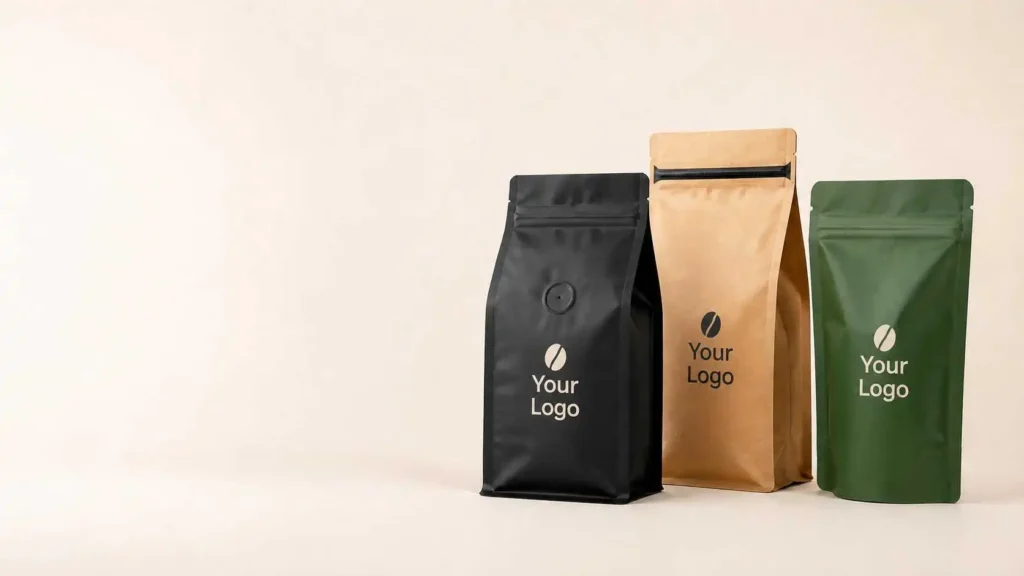
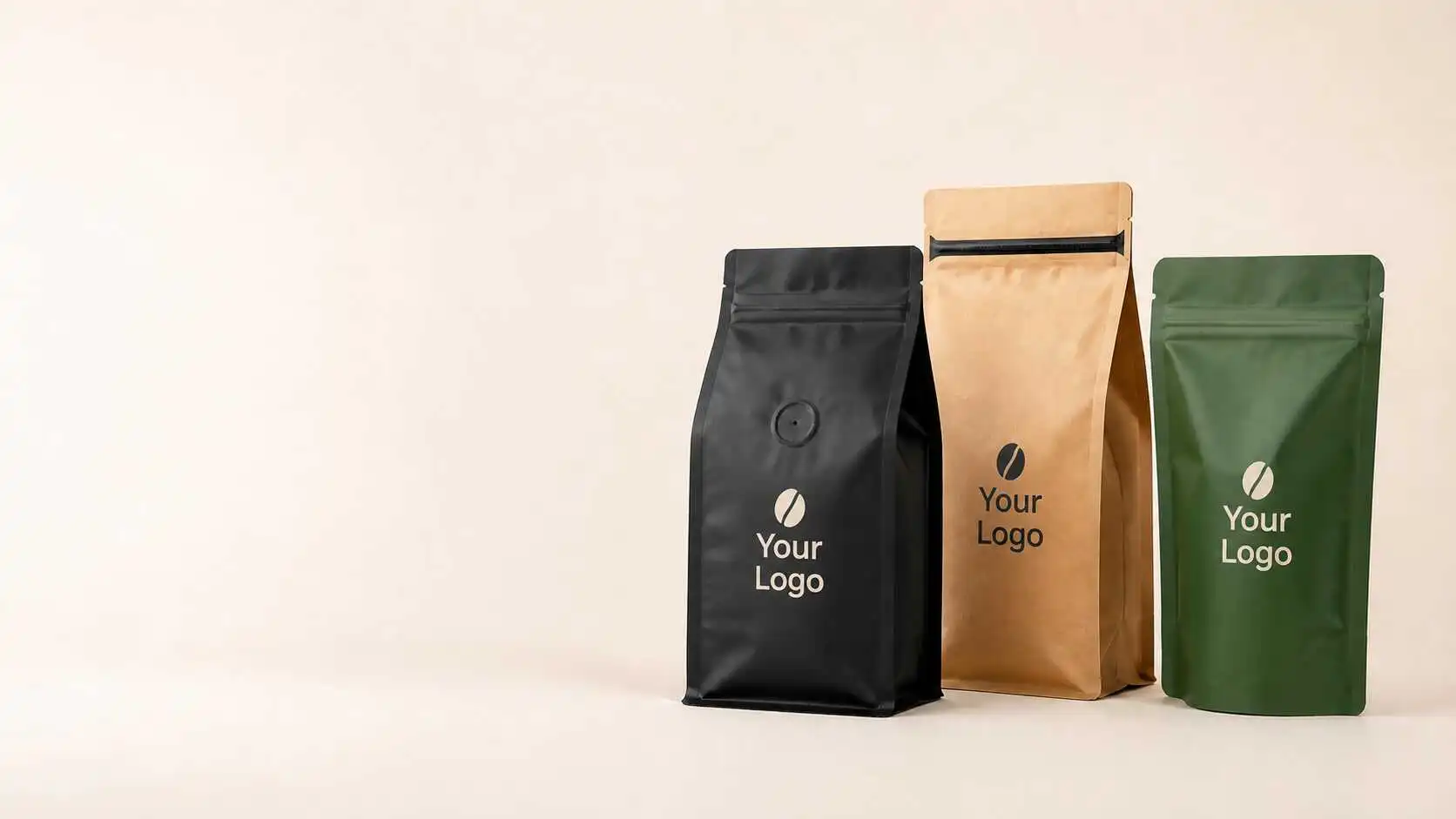
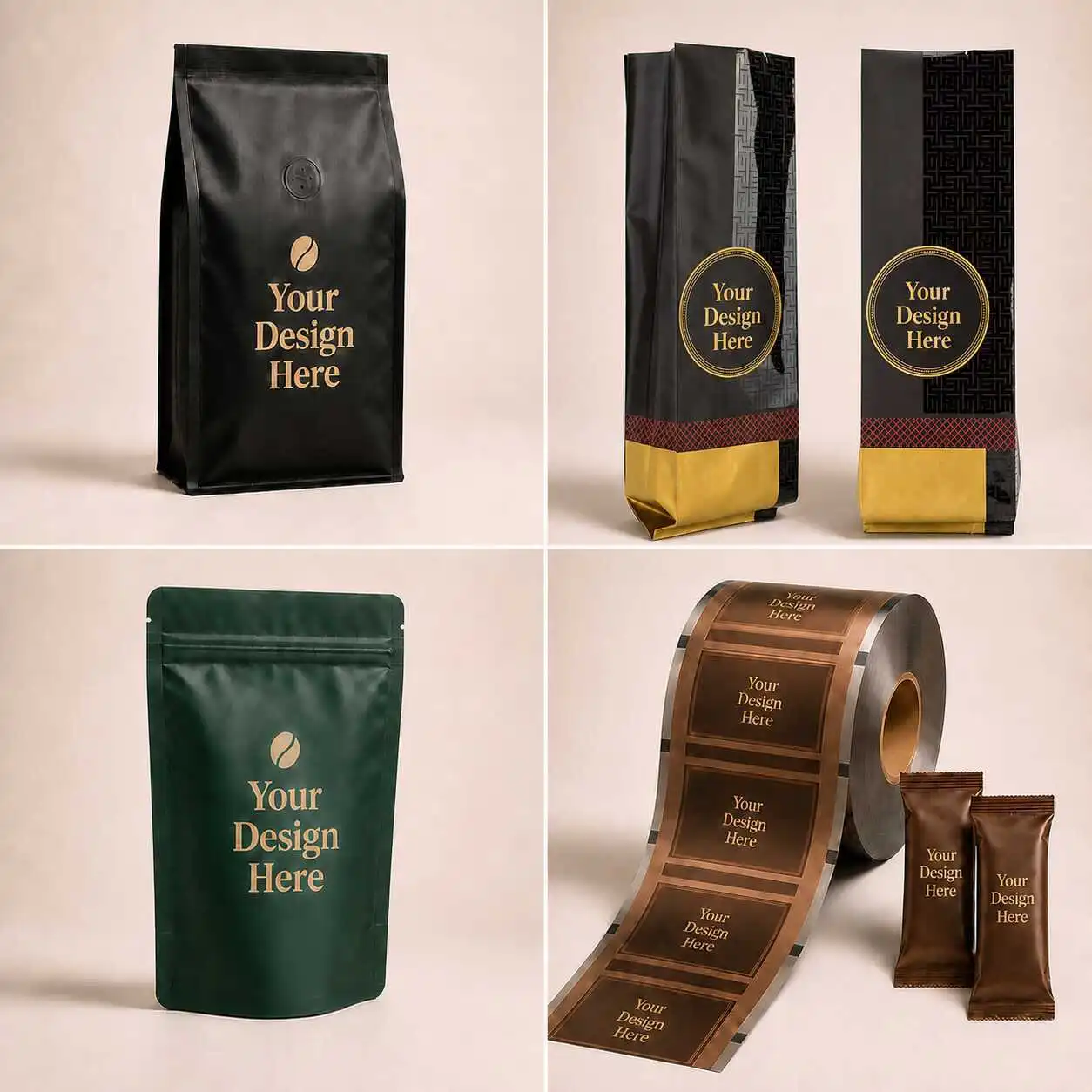
For many roasted-coffee projects, Runlong Pack first evaluates a flat-bottom pouch with a one-way degassing valve. When budget is more sensitive, a stand-up pouch with a valve can be a practical alternative. Add a resealable zipper when the consumer will open the package more than once.
The final choice still depends on whole bean or ground coffee, fill weight, bag size, roast and packing timing, target shelf life, filling method, storage, quantity and brand presentation. A valve and zipper do different jobs and should not be treated as substitutes.
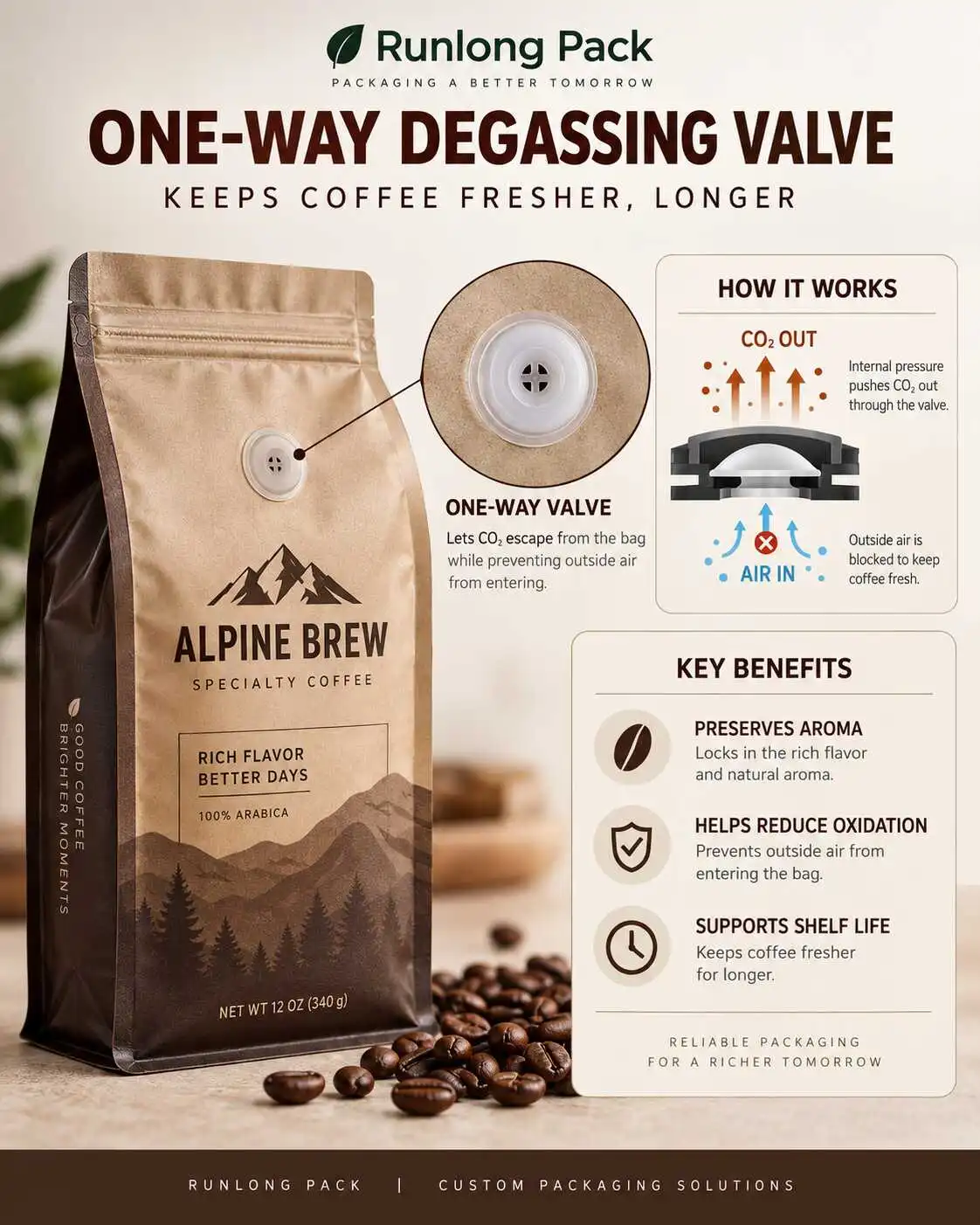
What a one-way coffee valve is for
Roasted coffee can continue releasing gas after roasting. A correctly selected one-way valve provides a controlled route for pressure to leave the sealed package while helping limit air from flowing back through the valve.
Valve need and placement should be discussed with the actual coffee, roast-to-pack timing, filling process, bag structure and intended shelf life in mind. The valve does not replace a suitable barrier material or a reliable heat seal.
Use a zipper when consumers need reclosure
A zipper makes sense when the coffee will be used over several servings. It allows the consumer to close the top of the package again after the original heat seal is opened. The zipper location, top seal and tear notch must be coordinated so the bag opens clearly and retains enough space for reliable sealing.
Valve only
May suit a format that is emptied at once or closed by another method, subject to the real use case.
Zipper only
Provides reclosure but does not perform the pressure-release function of a coffee valve.
Valve + zipper
A common retail combination when roasted coffee needs both package degassing and repeated consumer opening.
Flat-bottom bag or stand-up pouch?
| Format | When it is usually considered | Commercial notes |
|---|---|---|
| Flat-bottom pouch | Premium shelf presentation, broad printable panels and a stable retail structure | More complex and normally uses more film than a basic stand-up pouch; digital unit cost is typically higher |
| Stand-up pouch | Budget-sensitive projects that still need a retail-ready pouch, zipper or valve | Some ordinary digital projects may have lower entry quantities, subject to size, material and process |
| Side-gusset bag | Traditional coffee presentation or projects with a suitable stock/custom size | MOQ depends on size, material, film use, print method and stock availability |
| Stock coffee bag with simple logo | Simple branding when a suitable existing size and structure are available | A single-color print may be evaluated; around 1,000 pcs is generally recommended |
For Runlong Pack custom coffee bags, the normal starting recommendation is a flat-bottom pouch with a one-way valve. A stand-up pouch with a valve is a useful alternative when cost pressure is more important than the flat-bottom presentation.
Need dimensions for a coffee pouch?
Capacity depends on product density, format, gusset and usable filling space—not weight alone.
Choose performance before naming a laminate
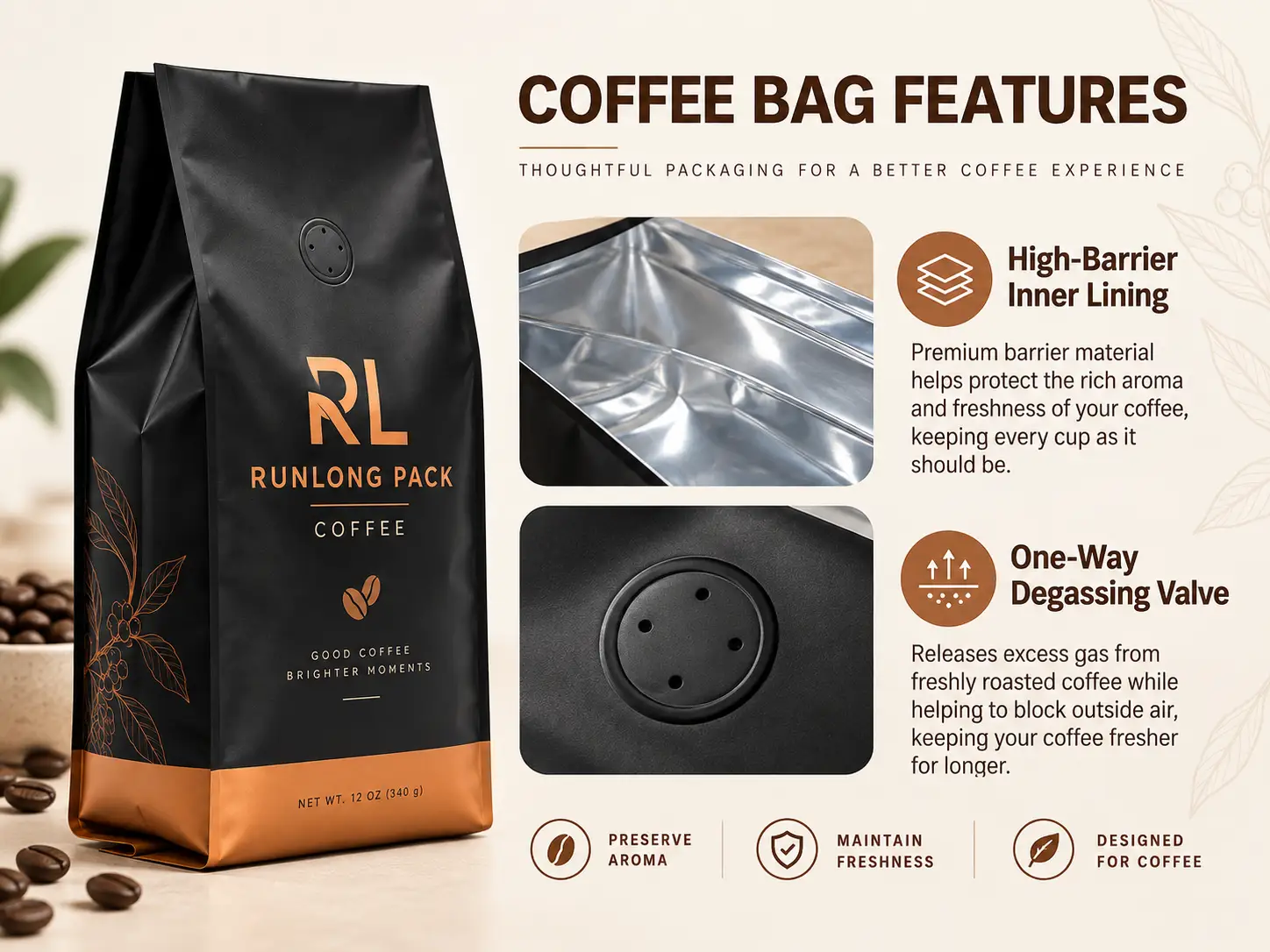
Coffee packaging normally needs a balance of oxygen, moisture and sometimes light protection, together with puncture resistance, print appearance and reliable heat sealing. The correct structure cannot be confirmed only by saying “coffee bag.”
Before a recommendation, confirm whether the product is whole bean or ground, the target shelf life, need for light protection, fill and storage conditions, sealing method and destination-market requirements.
Runlong Pack can recommend a structure based on experience, but the final laminate should be confirmed for the actual product and process. Production uses food-grade raw materials rather than secondary, recycled or scrap material.
Confirm the coffee bag size with a real filling test
Two coffees with the same net weight can occupy different volumes because bean size, roast, grind and settling behavior differ. The pouch format and zipper or valve placement also change usable capacity.
Start with real product
Measure the intended fill rather than relying on a competitor’s printed weight and external dimensions.
Allow functional space
Keep sufficient headspace for filling, zipper use and the final heat seal.
Approve the final dimensions
Runlong Pack can suggest common sizes or compare volume, but the buyer should confirm fill suitability before mass production.
Practical route: when size remains uncertain, use available samples to test the real coffee and compare pouch formats before approving the production specification.
Match coffee bag printing to the pouch format and order plan
Flat-bottom digital printing
Around 1,000–2,000 pieces may be evaluated. Because the bag is more complex and uses more film, it should not inherit the ordinary stand-up-pouch “around 100 pieces” statement as its recommended quantity.
Compare methods as volume grows
From around 3,000 pieces, compare digital and gravure total cost. Around 10,000 pieces, gravure is often more economical. Stable repeat orders around 40,000 pieces or more generally favor gravure.
Simple stock-bag branding
If the design is only a simple logo and a suitable stock coffee bag exists, a single-color print may be evaluated, generally with around 1,000 pieces recommended.
Planning several coffee SKUs?
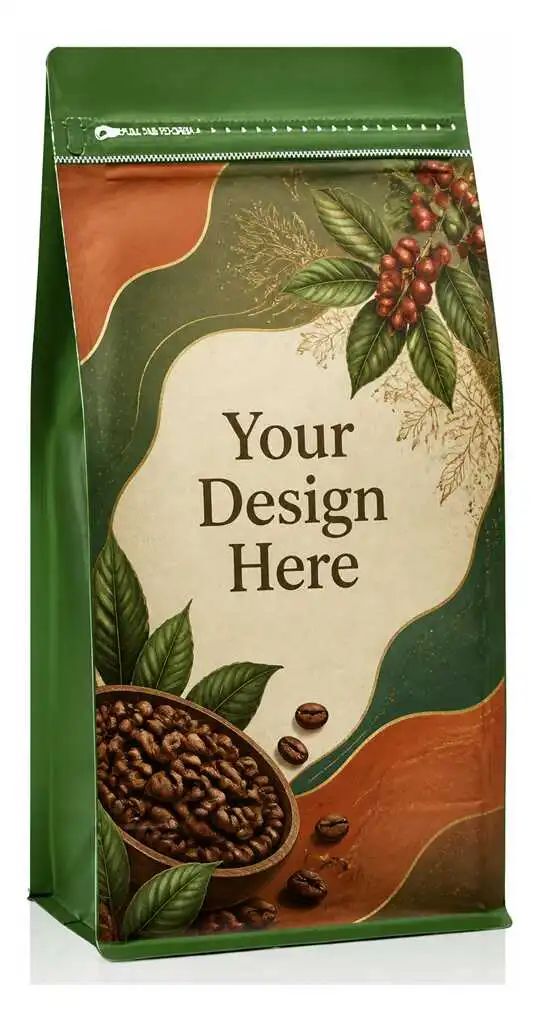
Digital may suit eligible short runs, while gravure usually needs separate cylinders for each design.
Information to send for a custom coffee bag recommendation
Coffee and filling
- Whole bean or ground
- Fill weight and product volume
- Roast-to-pack timing
- Manual or automatic filling
Bag specification
- Preferred format and size
- Valve and zipper requirement
- Barrier or shelf-life target
- Finish and other features
Commercial plan
- Total quantity and SKU count
- Artwork status
- Destination
- Expected repeat-order volume
Coffee bag valve and zipper questions
Does every coffee bag need a one-way valve?
Is a zipper the same as a degassing valve?
Which coffee pouch does Runlong Pack normally recommend?
What is the MOQ for digitally printed flat-bottom coffee bags?
Can I print only a logo on a stock coffee bag?
How should I confirm the bag size?
Can digital printing match an exact Pantone coffee brand color?
Send the coffee, size, quantity and feature plan
For a useful recommendation, provide whole bean or ground coffee, fill weight, preferred pouch, size, quantity, SKU count, valve and zipper needs, target shelf life, filling method, artwork status and destination.